

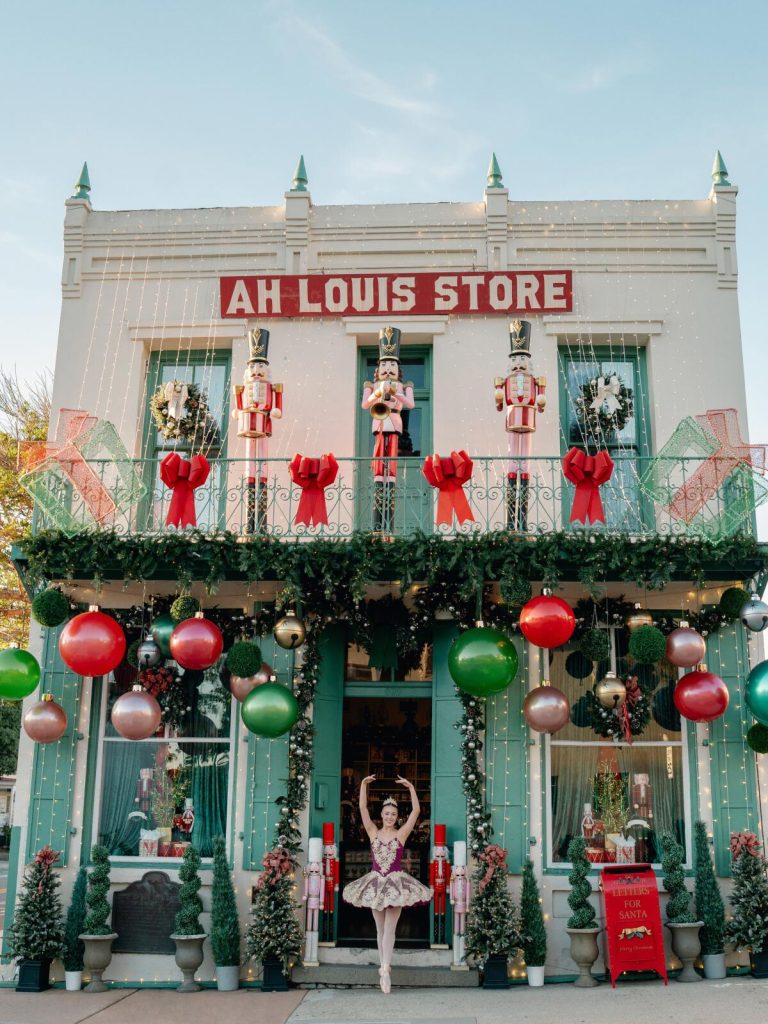
The Ah Louis Store in San Luis Obispo, California, transforms into a festive winter wonderland every holiday season. Green garlands, towering nutcrackers, shimmering baubles, and colorful bows adorn the historic downtown building that houses the gift shop, creating an enchanting atmosphere for customers. Inside, shoppers can choose from over 500 types of ornaments and various holiday gift baskets.
“We really just make it a magical spot,” said Emily Butler, co-owner of the store. “Whether you come in or not, we want to make sure that we’re spreading that holiday joy.”
Also Read: Farmers Warn Trump’s Tariffs Could Cost Them a Generation
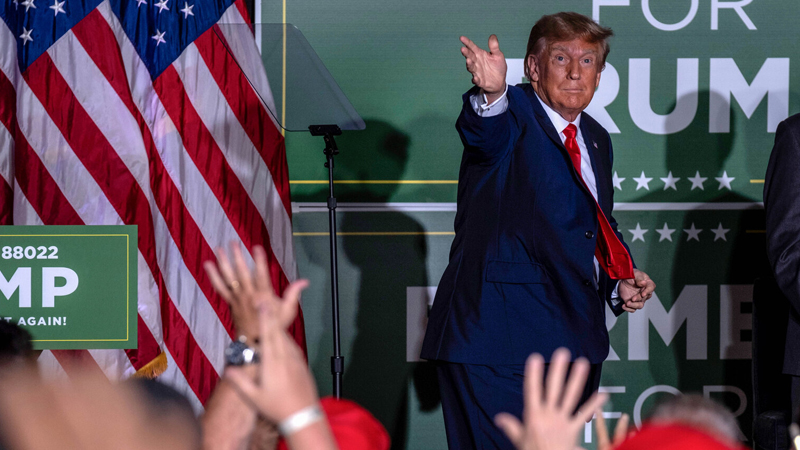
However, this year, Butler and her twin sister, who co-owns the shop, had to work harder than usual to turn browsers into buyers. Many of their imported decorations and stocking stuffers either didn’t arrive on time or became more expensive after President Donald Trump imposed high tariffs on foreign goods.
“Whether you come in or not, we want to make sure that we’re spreading that holiday joy,” Butler said, acknowledging the financial difficulties. “We’re definitely seeing more cautious spending this year.”
In response, the sisters shifted their focus to more profitable items, such as nutcrackers and gift baskets. They’ve noticed customers opting for smaller, more affordable gifts, choosing a $100 gift basket over a $150 version or purchasing just one ornament instead of several.
While the tariffs have certainly played a role, inflation and sluggish hiring have further impacted consumer confidence. According to a December poll by The Associated Press-NORC Center for Public Affairs Research, most U.S. adults reported seeing higher prices on groceries, electricity, and holiday gifts.
Read More: “Tariffs Are Taxes”: Supreme Court Exposes the Real Cost of Trump’s Trade Strategy
A Gallup survey in November revealed that Americans’ economic confidence had dropped to a 17-month low. The poll also showed a decline in consumers’ holiday gift budgets, with the average drop being $229 between October and November, the largest recorded decrease at that point in the season.
Despite fears that the tariffs would cause a severe price spike across various sectors, the full impact on consumer goods has been more varied. However, certain popular gifting categories have been more affected than others.
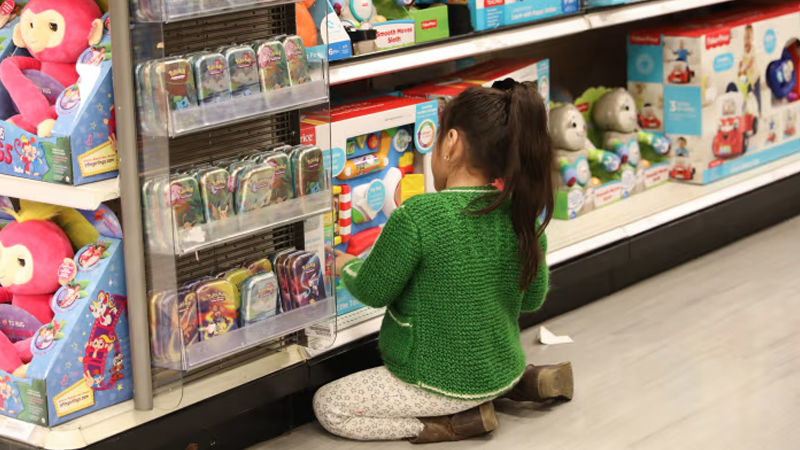
Games and Toys
Toy prices saw notable increases, largely due to tariffs on Chinese imports. According to The Toy Association, most toys sold in the U.S. come from China, and the tariff rate fluctuated wildly during Trump’s administration, ranging from 10% to a peak of 145%.
Dean Smith, co-owner of independent toy stores JaZams in Princeton, New Jersey, and Lahaska, Pennsylvania, noticed incremental price increases with each reorder. He estimates that 80% of his inventory saw wholesale price hikes between 5% and 20%. For example, a doll that used to sell for $20 to $25 now costs between $30 and $35.
“For folks with marginal incomes, this is going to be a very difficult holiday,” Smith said.
Electronics
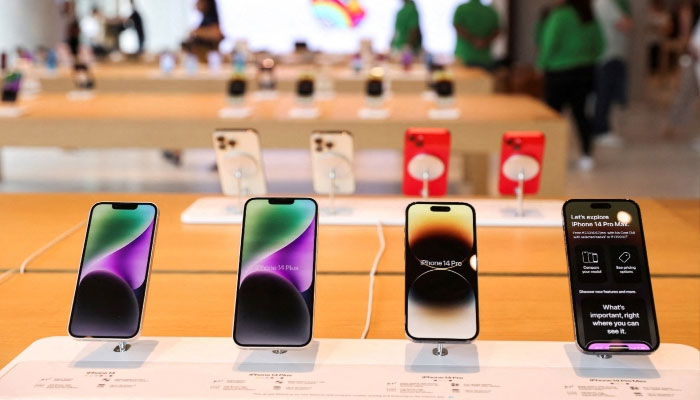
Consumer electronics, predominantly sourced from China, have also felt the pressure of higher tariffs. In 2023, China accounted for 78% of U.S. smartphone imports and 79% of laptop and tablet imports. Best Buy CEO Corie Barry confirmed in May that the company raised prices due to tariffs, but noted that stocking products at different price points helped attract more lower-income shoppers.
Game consoles, another holiday favorite, also saw price hikes. Sony raised the price of the PlayStation 5 by $50 to $550 in August, following price increases by Microsoft and Nintendo.
Jewelry
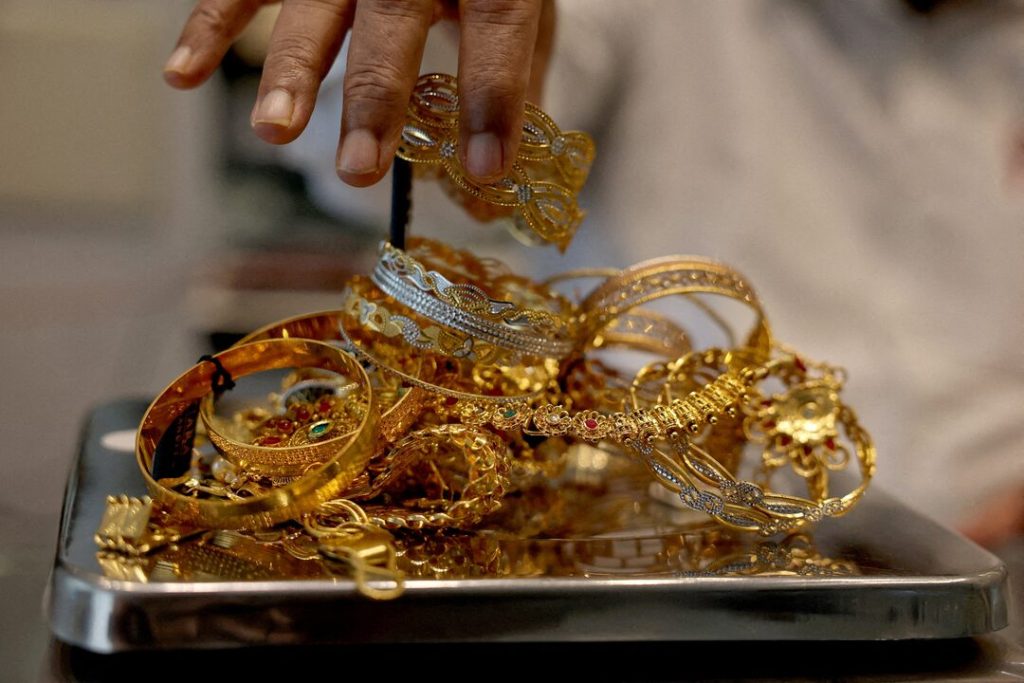
Jewelry prices have been more heavily impacted by the rising cost of gold rather than tariffs. However, tariffs have affected specific categories of jewelry. Swiss-made watches, for example, were subject to a 39% tariff until Switzerland and the Trump administration negotiated a reduction. Additionally, tariffs on diamonds from India, a major supplier of gemstones, are expected to affect prices starting in 2026.
“It’s really a matter of what happens after Jan. 1,” said David Bonaparte, president & CEO of Jewelers of America. “If these tariffs are still in place, then prices will probably increase.”
Holiday Decor
Jeremy Rice, co-owner of House, a home décor shop in Lexington, Kentucky, which specializes in artificial flowers and holiday decorations, said the tariffs caused significant production delays. He raised prices on the items he did manage to stock, including red berry stems, which increased from $8.95 to $10.95 due to higher import costs.
“We sell thousands of these berry stems, and every time we sell one, I flinch from knowing what it should have been,” Rice said.
Shopping Strategies
For consumers looking to avoid tariff-induced price hikes, experts recommend shopping at secondhand stores or discount retailers such as T.J. Maxx, Marshalls’, and HomeGoods, which often stock leftover goods purchased before new tariffs were imposed. Additionally, products made domestically, like books, food, and beverages, remain unaffected by the tariffs and can make good gifts.
As consumers navigate a challenging holiday season marked by higher prices and uncertain economic conditions, many are adjusting their spending habits to opt for more thoughtful, budget-conscious purchases.
READ NEXT
- Republican Gov. asked to leave restaurant after diners said her presence made them ‘uncomfortable’
- CBS News boss reportedly planning imminent layoffs of dozens of staffers
- Trump makes awkward Pearl Harbor joke in front of Japanese PM when asked about Iran strike
- Shark attack survivor remembers the moment a friend shouted ‘Shark’ before the attack that changed her life
- Seann William Scott says his daughter may be “horrified” when she finally watches American Pie