

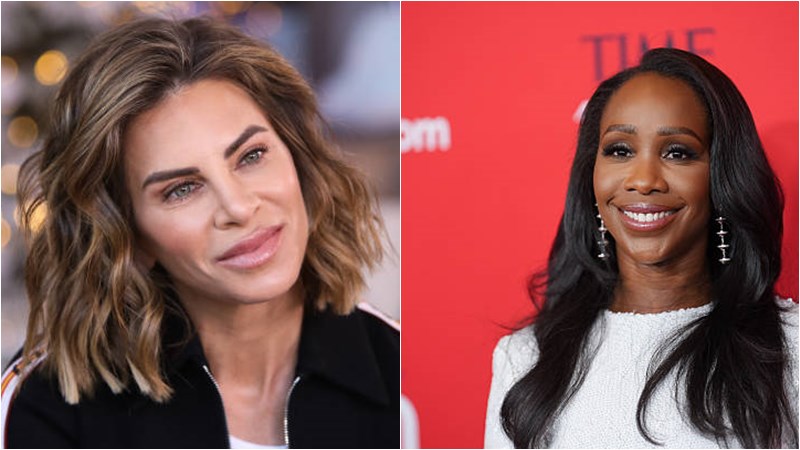
It was supposed to be a conversation about the arts, but it quickly turned into a heated exchange on CNN’s NewsNight. Jillian Michaels, best known from The Biggest Loser, went head-to-head with host Abby Phillip after accusing her of “racializing” a discussion on Donald Trump’s influence over the Kennedy Center Honors.
The segment was about Trump’s recent changes to the prestigious awards, which CNN described as a “political litmus test for the arts.” This year’s honorees include Sylvester Stallone, Michael Crawford, George Strait, Gloria Gaynor, and the rock band KISS — a lineup critics say was handpicked to reflect Trump’s preferences.
Democratic strategist Julie Roginsky argued that Trump’s moves were part of a broader cultural shift, pointing to changes at the Smithsonian. That’s when Michaels took the conversation in a very different direction. She brought up slavery, Cuban migration, and gender testing in sports, claiming cultural institutions unfairly frame history through a “white people bad” narrative.
“Every single thing is like, oh, no, no, no, this is all because white people are bad,” Michaels said, citing examples she claimed came from Smithsonian exhibits. She also criticized a Smithsonian installation called Change Your Game for discussing the complexities of gender testing in sports. “It’s not complex. It’s basic science,” she said. “Is it fair to have biological men competing against biological women in sports? No. But why is this in the Smithsonian?”
Phillip, visibly surprised, tried to steer the conversation back. “Of course we don’t,” Michaels shot back when Phillip said there wasn’t time to go through all her points. “Because then you’re going to lose the argument. And everything is racialized, just like you’re trying to do to me now.”
Phillip responded, “Excuse me? Just to be clear. You brought up race. This was a conversation about the arts. And you brought up race.” Michaels denied it, accusing Phillip of “strawmanning” her comments and saying her real point was that portraying every historical event as the fault of white imperialism is misleading.
The Kennedy Center, traditionally known for bipartisan celebrations of the arts, has taken a noticeable turn under Trump. Critics say he’s using the institution to reward political loyalty over artistic achievement. Earlier this year, John F. Kennedy’s grandson Jack Schlossberg slammed a Republican proposal to rename parts of the center after Donald and Melania Trump, saying, “This isn’t about the arts. Trump is obsessed with being bigger than JFK.”
Trump himself has been blunt about wanting a more conservative slate of honorees. In March, according to audio obtained by The Washington Post, he said past nominees were “radical left lunatics” and promised to “go slightly more conservative” going forward. He’s also made himself chairman of the board and appointed political allies like former foreign policy adviser Ric Grenell to key positions.
Whether you see it as a cultural correction or a political takeover, one thing’s clear: The Kennedy Center is no longer the safe, bipartisan stage it once was.