


In one of the most surprising turns of the year, the U.S. Department of Agriculture reported that American farmers produced a record-breaking corn crop in 2025, far outpacing analysts’ predictions and rattling grain markets nationwide. The agency’s January Crop Production report showed total corn production of 17.021 billion bushels with an average yield of 186.5 bushels per acre, both figures topping previous highs and exceeding trade forecasts by a wide margin.
The USDA’s numbers show a roughly 14 percent increase in corn production from 2024, with harvested acreage expanding significantly. The blockbuster figures landed well above the average pre-report expectations of about 16.55 billion bushels and 184 bushels per acre, underscoring the magnitude of the surprise in the agency’s data.
Also Read: U.S. Soybean Farmers Brace for a Brutal 2026 as Oversupply Crushes Prices
The report not only documents record production but also highlights rapidly evolving patterns in U.S. agriculture. While traditional powerhouses like Iowa and Illinois still account for a large share of total output, corn acreage has been expanding into the western and Plains states in recent years. Those geographic shifts helped offset heat and dry conditions in some key regions and contributed to the unexpectedly robust national totals.
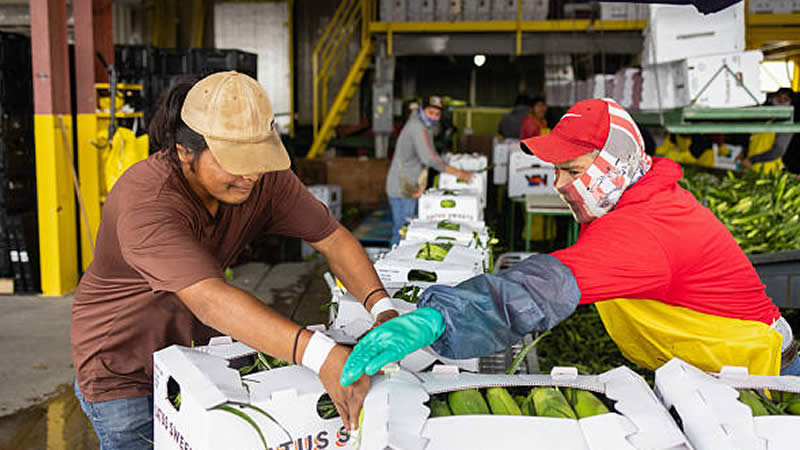
“I’ve never seen a January report surprise the way this one did in more than 20 years,” said Brian Harris, executive director of Global Risk Management Inc., in comments echoed by multiple analysts. His point captured the widespread confusion about how much larger the crop turned out to be than market forecasts.
Despite the record crop, some analysts are raising questions about other assumptions in the USDA data. For example, the agency raised its forecast for corn used as animal feed in the 2025-26 marketing year to 6.2 billion bushels, a figure that has drawn skepticism given signs of a declining livestock herd. Critics say the feed use projection seems disproportionately high and could mask weaker demand fundamentals or misallocated estimates in the agency’s World Agricultural Supply and Demand Estimates (WASDE) report.
Read More: Tariff-Hit Farmers say they’re Being used as “Pawns” in Trump trade Policies
The USDA’s updated supply numbers also boosted estimated ending stocks for the 2025-26 crop year to more than 2.2 billion bushels, the highest level in roughly eight years. This surplus outlook offers a hint of why the market reacted so sharply.
On the trading floor, the response was swift. Corn futures plunged after the figures were released, dropping to the lowest levels seen in months as traders reevaluated supply and demand dynamics. The sell-off was broad, with soybean contracts also sliding amid the bearish surprise.
Market watchers said the unexpected data could keep price rallies in check unless weather issues crop up later this year, particularly in major growing regions in Brazil or the U.S. Midwest. With such heavy supplies already in place, analysts say sustained price growth will be tough without external supply-chain shocks.
The story also underscores deeper challenges in agricultural forecasting. Some industry specialists have pointed to turnover in USDA analytical staff as a potential factor in surprising results, suggesting that fewer experienced forecasters may be shaping key models and projections.
Still, the big crop carries mixed implications. For livestock producers and ethanol manufacturers, ample, cheap feed could lower input costs, but for corn growers already dealing with tight margins, prices at or below break-even levels remain a concern. That has prompted calls from farm groups for expanded markets abroad and broader use of ethanol blends to shore up demand.
As the agricultural year unfolds, attention will shift to how demand growth, export trends, and weather developments interact with this massive supply. For now, the USDA’s data is setting the narrative, showing just how far actual production can diverge from expectations and reshaping the outlook for U.S. corn.
READ NEXT
- Nicole Kidman and Keith Urban’s daughter Sunday Rose opens up about modelling with famous parents
- Louisiana mom blamed toddler’s bruises on “sleeping with her sippy cup,” police say
- Alina Habba calls report on $50 million deal a “Big Scoop”
- Kim Kardashian reportedly fears Christmas conflict with Kanye West over Lewis Hamilton
- Ohio mother charged after toddler’s death, told 911 “we’re past that” and fled