

As campaign season for next year’s midterm elections begins, a growing number of Americans say they feel disconnected from both major political parties, viewing Democrats and Republicans alike as out of touch and extreme.
A new Pew Research Center survey of 3,445 adults found that more than half of respondents see both parties as “too extreme.” Only 39 percent believe Republicans govern “ethically and honestly,” while 42 percent say the same about Democrats. The findings reflect widespread frustration in a polarized political landscape that many feel no longer represents ordinary citizens.
University of Arizona political scientist Samara Klar said the results highlight how deep voter disillusionment has become. “Our policy preferences haven’t changed dramatically,” she said. “Republicans and Democrats, if anything, often agree with each other much more on most issues than they would realize.”
Klar argued that tone, not policy, has driven much of the division. The Pew survey found that a large majority of Americans want politicians to reduce hostile rhetoric and condemn political violence. Many also said both parties should do a better job of compromising.
“Why is it that politicians act like this? Who likes this?” Klar asked. “Turns out the answer is nobody.”
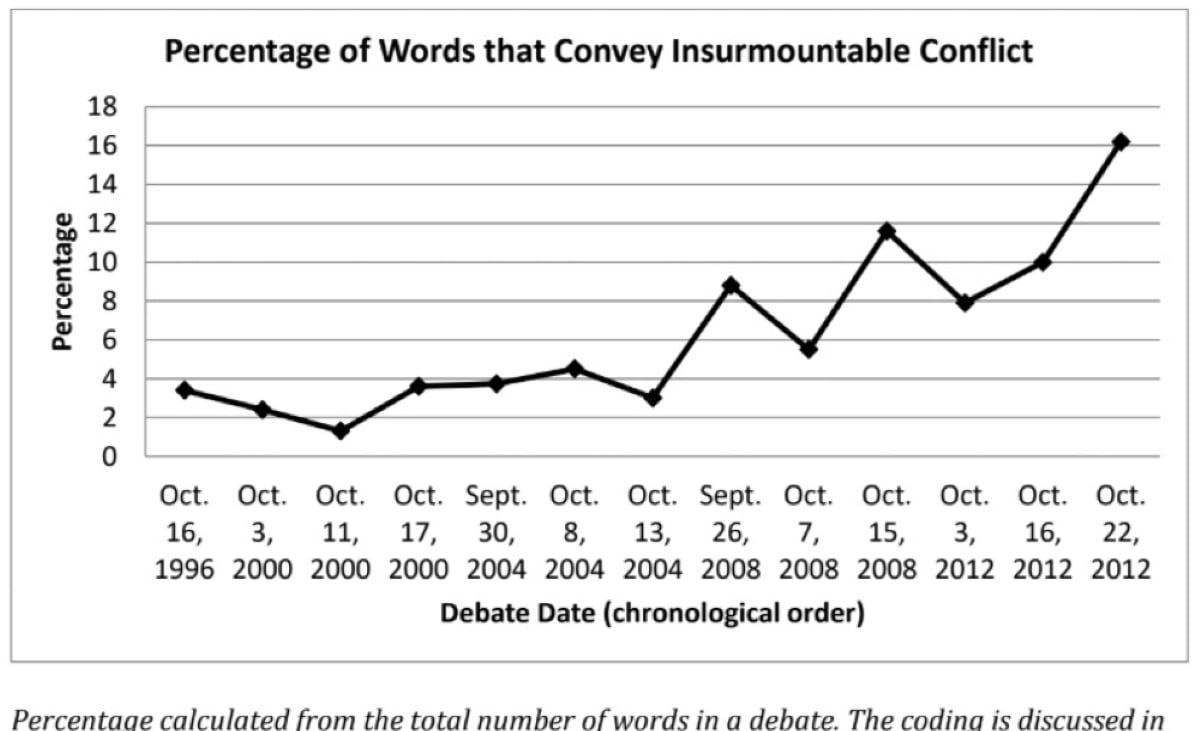
Although some blame President Donald Trump for fueling political hostility, Klar noted the trend began long before his rise. In her book Independent Politics, co-authored with Yanna Krupnikov, Klar documented increasing name-calling and aggression in presidential debates between 1996 and 2012.
Today, media incentives and social platforms magnify the problem. “More bombastic, aggressive behavior is rewarded with more attention, and that helps campaigns,” Klar said.
The frustration extends beyond party lines as well. Nearly 70 percent of Democrats surveyed said they are dissatisfied with their own party—up from 50 percent in 2021—complaining that Democratic leaders are not forceful enough in opposing Trump. Among Republicans, only 40 percent expressed frustration, while 70 percent said their party makes them feel hopeful.
Klar said Democrats still perform better on issues such as race, abortion, and climate change, but voters appear more focused on tangible concerns like inflation, jobs, and crime—areas where Republicans currently hold an advantage. “If you’re not able to buy groceries and you’re not able to pay rent, you are also not spending a lot of time thinking about climate change,” she said.
In states like Arizona, Democrats such as Governor Katie Hobbs and Senator Mark Kelly have found success by emphasizing moderate positions on border security, crime, and the economy. Klar noted that while this strategy might alienate some progressives, it appeals to independents and moderates—groups that could once again decide next year’s elections.