

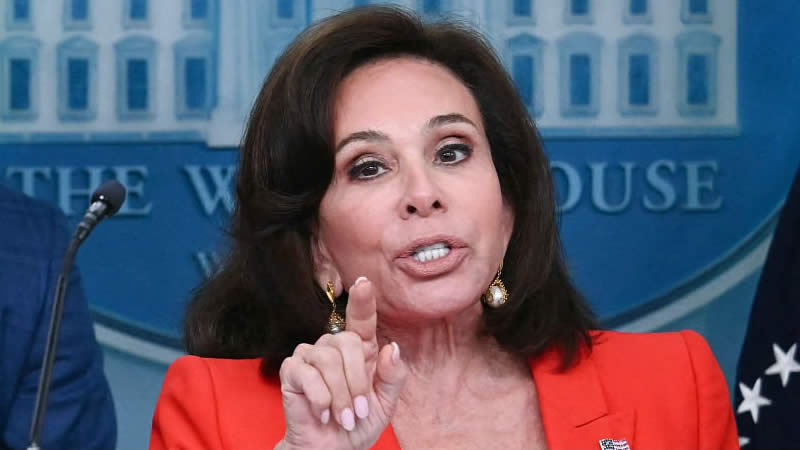
U.S. Attorney Jeanine Pirro sharply confronted a reporter Thursday after being questioned about the Justice Department’s handling of the Jan. 6 Capitol attack during a press conference focused on an alleged vandalism case at the Lincoln Memorial Reflecting Pool.
Pirro had called the news conference to announce a federal indictment against David Hearn, a three-time Olympic athlete who was arrested last month. Authorities allege that Hearn touched detached paint connected to the recently renovated reflecting pool at the Lincoln Memorial, a project reportedly valued at $14 million.
A federal grand jury has now indicted Hearn, Pirro said. She added that he could face a prison sentence of up to 10 years if convicted. An indictment is an accusation and does not establish guilt.
After announcing the charges, Pirro began taking questions from reporters. One journalist attempted to compare the prosecution with the Justice Department’s response to damage caused during the Jan. 6, 2021, attack on the U.S. Capitol.
“How can you square charging this alleged vandal when this DOJ has…,” the reporter asked, before Pirro cut him off.
“Already this is a problem,” Pirro said.
The reporter continued, referring to the damage associated with the Capitol riot.
“Over 1,000 January 6 rioters caused millions of damage — ,” he continued.
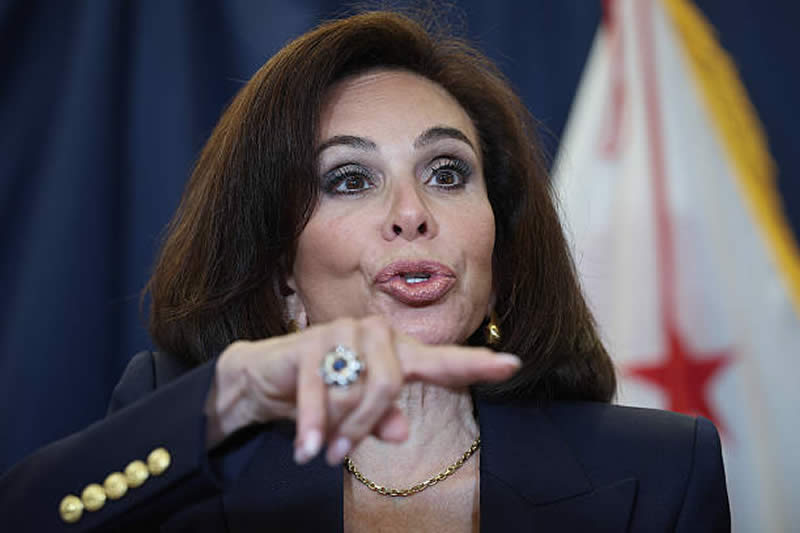
Pirro interrupted again, raising her voice as she rejected the comparison.
“Are you really talking about January 6? I’m not. Who’s next? Not you! No!”
The tense exchange quickly shifted attention away from the indictment itself and toward Pirro’s response to questions about prosecutorial priorities. The reporter appeared to ask why the Justice Department was pursuing a potentially severe penalty in the Lincoln Memorial case, while the current administration has taken a different approach to people charged or convicted in connection with Jan. 6.
Pirro did not address the substance of that comparison during the exchange. Instead, she ended the reporter’s questioning and moved on to other members of the press.
The case against Hearn is expected to draw scrutiny because of the possible 10-year maximum sentence and the nature of the alleged conduct. Prosecutors will still need to prove the charges in court, and the defense will have an opportunity to challenge the government’s evidence and legal arguments.
The confrontation also highlights continuing political tensions surrounding Jan. 6 prosecutions. More than five years after the Capitol attack, questions about accountability, sentencing and the Justice Department’s enforcement priorities remain a source of sharp disagreement in Washington.