

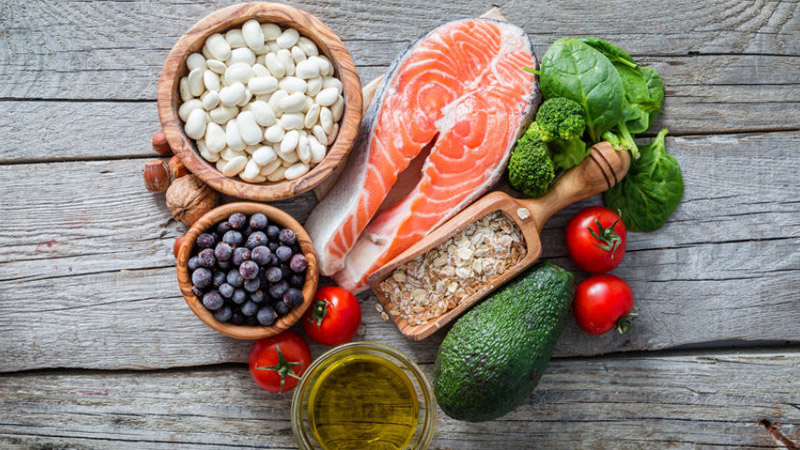
Good nutrition is not about finding one “superfood” for each organ. Your body works as a connected system, so the best approach is to eat a varied diet built around vegetables, fruits, whole grains, lean proteins, nuts, seeds and healthy fats.
Here are some nutritious foods that can support different areas of the body.
1. Brain: Salmon, Walnuts and Blueberries
Salmon provides omega-3 fatty acids, including DHA and EPA, which are important components of cells in the brain and throughout the body. Walnuts offer plant-based omega-3 fats, while blueberries provide vitamins, fiber and naturally occurring antioxidants.
Try adding grilled salmon to lunch, walnuts to oatmeal or yogurt, and blueberries to smoothies.
2. Eyes: Spinach, Carrots and Eggs
Spinach contains lutein and zeaxanthin, antioxidants that are active in the retina. Carrots provide beta-carotene, which the body can convert into vitamin A, while eggs also provide useful nutrients such as lutein and zeaxanthin. These foods can form part of a balanced diet that supports normal eye function.

For a simple meal, prepare an omelet with spinach and serve it with sliced carrots.
3. Skin: Berries, Avocado and Sweet Potatoes
Berries provide vitamin C, which the body needs to produce collagen and support normal wound healing. Sweet potatoes contain beta-carotene, while avocado provides unsaturated fats that can be included in a balanced eating pattern.
A colorful bowl containing berries, avocado and other fruits or vegetables can provide a wide range of skin-supporting nutrients.
4. Muscles: Chicken, Eggs and Greek Yogurt
Protein is needed to build, repair and maintain muscle tissue. Chicken, eggs and Greek yogurt are practical protein sources that can be included in meals throughout the day.
Combine these foods with regular resistance exercise and adequate rest for better muscle maintenance and recovery.
5. Heart and Blood Vessels: Avocado, Chia Seeds and Olive Oil
Avocado, chia seeds and olive oil provide mostly unsaturated fats. Replacing foods high in saturated fat with unsaturated-fat options can support healthier cholesterol levels and reduce cardiovascular risk as part of an overall healthy diet.

Use olive oil in salad dressing, add chia seeds to oatmeal and replace butter or processed spreads with avocado when appropriate.
6. Healthy Weight Management: Green Tea, Quinoa and High-Fiber Foods
No single food directly causes fat loss. Weight management depends on overall calorie intake, physical activity, sleep, health conditions and long-term habits. Quinoa and other fiber-rich foods may help you feel full for longer, making it easier to manage portions.
Green tea can be a low-calorie alternative to sugary drinks. Apple cider vinegar is not a proven shortcut for weight loss and should not replace a balanced diet or exercise plan.
7. Immune System: Citrus Fruits, Broccoli and Garlic
Citrus fruits and broccoli provide vitamin C, which supports normal immune function and helps protect cells from oxidative damage. Garlic can add flavor to food while helping reduce the need for excessive salt or heavy sauces.
A healthy immune system depends on overall nutrition, not on consuming large amounts of one ingredient.
8. Digestive Health: Oats, Kimchi and Chia Seeds
Oats and chia seeds contain dietary fiber, which supports digestion, adds bulk to stool and can help prevent constipation. Kimchi is a fermented food, although its salt content can vary, so portion size may matter for people limiting sodium.
Increase fiber gradually and drink enough water, since suddenly eating much more fiber can cause gas or bloating.
9. Bone Health: Yogurt, Almonds and Leafy Greens
Yogurt is a useful source of calcium and may also provide protein. Almonds and leafy green vegetables contribute minerals that can support a balanced diet. Calcium is essential for building and maintaining strong bones, although vitamin D and regular weight-bearing exercise are also important.

Choose unsweetened or lower-sugar yogurt when possible, and include a variety of calcium-rich foods rather than relying on only one source.
Final Thought
The healthiest diet is based on variety and consistency. Instead of eating only for one organ or health goal, build meals with vegetables, fruit, whole grains, protein and healthy fats. Over time, this balanced approach can support the brain, muscles, heart, digestion, bones and the rest of the body.