

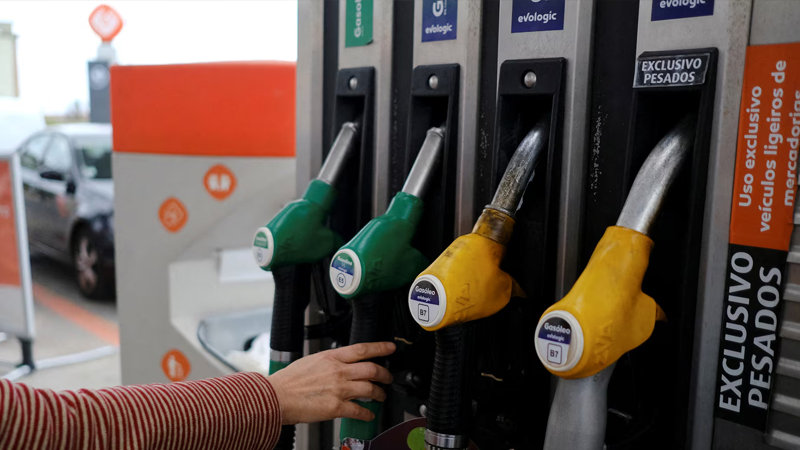
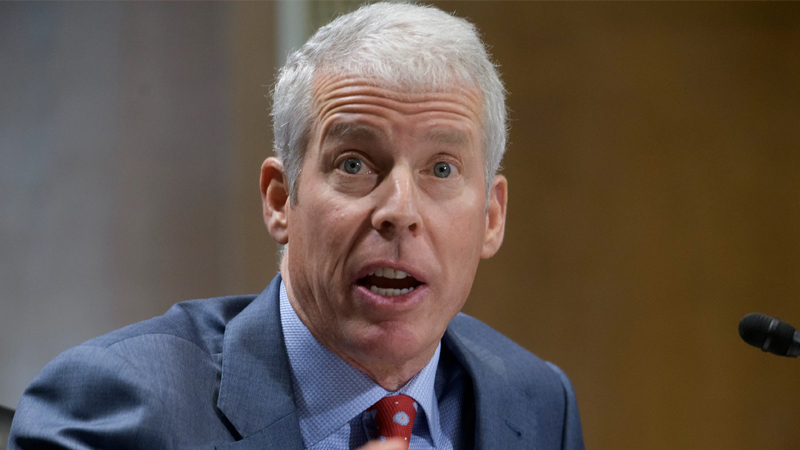
U.S. Energy Secretary Chris Wright said Americans are likely to continue facing higher gasoline prices for several more weeks as tensions linked to the U.S. conflict involving Iran disrupt global energy markets.
Speaking on NBC News’ “Meet the Press” with Kristen Welker on Sunday, Wright acknowledged that the ongoing situation has temporarily disrupted the global energy flow, leading to rising fuel costs for consumers across the United States.
“Yes, it is a short-term disruption in the flow of energy. Americans are feeling it right now. Americans will feel it for a few more weeks, but at the end, we will have removed the greatest risk to global energy supplies,” Wright told NBC News’s Kristen Welker on “Meet the Press.”
He expressed confidence that once the current crisis stabilizes, global energy markets will improve and become more stable. According to Wright, the long-term outcome could lead to more reliable and affordable energy supplies.
“We’ll go to a world more abundant in energy, more affordable in energy and less risky for American soldiers and commerce in the Middle East,” he added.
The impact of the conflict has already been reflected in fuel prices. According to data from AAA, the national average price of regular gasoline has risen to around $3.70 per gallon. Just a month ago, the average stood near $2.98 per gallon, highlighting how quickly the situation has affected energy costs.
The rise in prices is linked to concerns about disruptions to global oil shipments, particularly through the Strait of Hormuz. The narrow waterway is one of the world’s most important oil transit routes, with nearly one-fifth of the global oil supply passing through it.
Iran’s new supreme leader, Mojtaba Khamenei, said Thursday that the Strait of Hormuz would remain closed. The Islamic Revolutionary Guard Corps also stated that it would not allow oil shipments to pass through the route until military strikes by the United States and Israel stop.
These developments have raised fears in global markets about possible supply shortages, contributing to the sharp increase in fuel prices.
Meanwhile, the U.S. administration is exploring several options to ease pressure on energy markets. One proposal under consideration involves loosening certain shipping regulations to help reduce oil prices and stabilize supply chains.
On Sunday, United Nations Ambassador Mike Waltz said Washington is also encouraging international partners to help secure shipping routes in the region.
“President Trump is calling upon the world, saying the entire world is affected,” Waltz told CNN’s Jake Tapper on “State of the Union.” “Iran can’t hold your economies hostage, and we certainly welcome, encourage and even demand their participation to help their own economies.”
U.S. officials say cooperation from global allies could play a key role in restoring oil shipments through the Strait of Hormuz and stabilizing energy markets in the coming weeks.
READ NEXT
- Indiana woman allegedly crossed center line before deadly wheelchair collision
- Meghan Markle and Prince Harry give first look at life back in the UK
- Jaclyn Smith reveals lifelong OCD struggle began after uncle’s death
- Trump Voters Protest Border Wall Land Seizures in Texas
- Alabama woman accused of killing boyfriend after she allegedly ‘snapped’ over breakup