

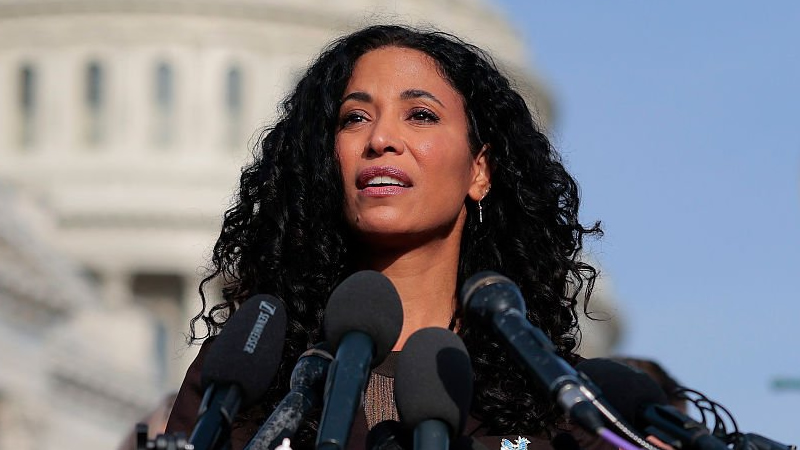
A survivor of convicted sex offender Jeffrey Epstein alleges that several Republican members of Congress didn’t follow through on their commitments to meet with victims. This has raised new worries about political accountability and openness.
Lisa Phillips, a former model and Epstein survivor, said that even though several GOP politicians stated they wanted to hear directly from victims at first, many of them didn’t show up for a scheduled meeting.
“A few of them said they would be there for us,” Phillips said during a recent interview. “But in the end, they didn’t come.”
Phillips said these things during an interview with legal expert Michael Popok on the progressive news site MeidasTouch. She said she was upset with what she saw as hollow promises from government authorities.
Popok framed the issue as part of a broader pattern of political avoidance surrounding the Epstein scandal, arguing that no modern administration has worked harder to bury accountability for an international sex trafficking network. He specifically pointed to Donald Trump, citing Trump’s past social ties to Epstein and convicted accomplice Ghislaine Maxwell.
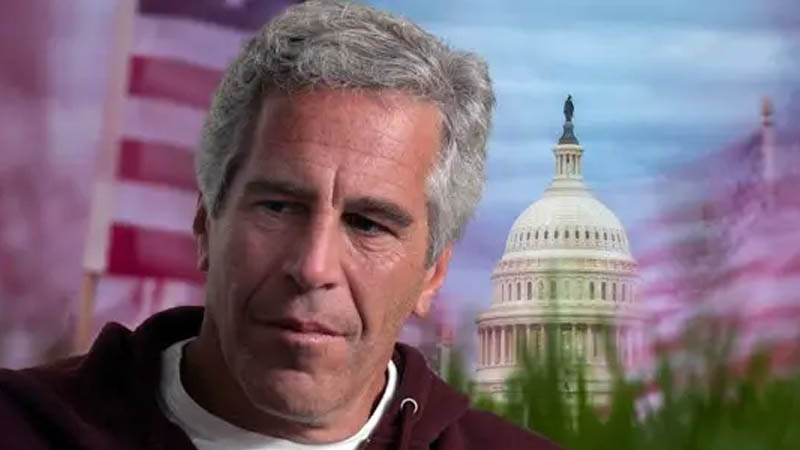
Phillips declined to speculate on motives but confirmed that access to Republican lawmakers was limited and inconsistent.
Despite those challenges, a small bipartisan group of lawmakers did meet with Epstein survivors last year. Among those present were Rep. Marjorie Taylor Greene, Rep. Nancy Mace, Rep. Thomas Massie, and House Speaker Mike Johnson.
Greene had publicly urged Trump to attend that meeting and speak directly with victims, given his acknowledged past friendship with Epstein. Trump ultimately declined to participate.
Read More: Jeffrey Epstein’s Brother, Mark Epstein, Told FBI He Was Killed to Stop Him From “Naming Names”
Since then, Trump has publicly lashed out at both Greene and Massie. Greene later resigned from Congress, while Trump has backed a primary challenger in an effort to unseat Massie, deepening fractures within the Republican Party.
Advocates for survivors say the lack of consistent engagement from lawmakers underscores a deeper problem. While politicians across parties routinely promise justice for victims of sexual abuse and trafficking, survivors often struggle to secure sustained attention once cameras are gone.
Phillips emphasized that the issue goes beyond party politics.
“This isn’t about left or right,” she said. “It’s about whether the people who were hurt ever get taken seriously by the people in power.”
Epstein died in federal custody in 2019 while awaiting trial on sex trafficking charges, but questions surrounding his network, enablers, and political connections continue to fuel public scrutiny. For survivors, those unanswered questions remain deeply personal.