

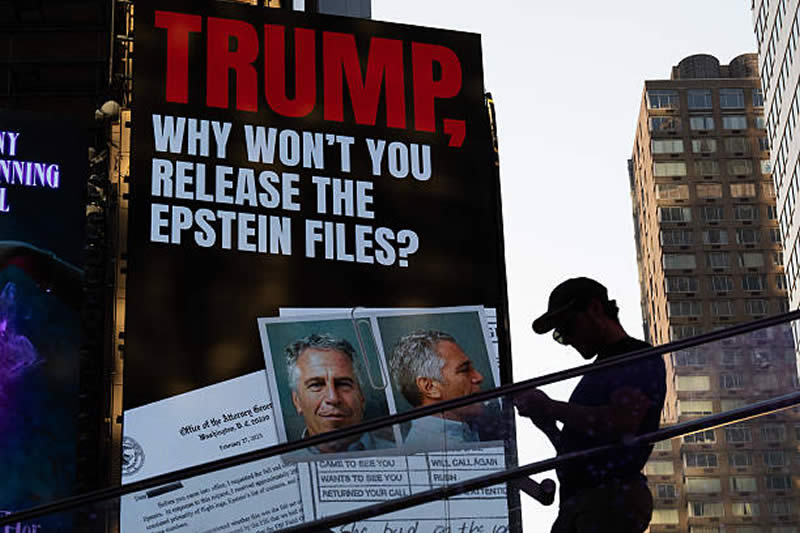
For years, rumors about Jeffrey Epstein’s “client list” have swirled online, but now a Republican lawmaker says evidence in FBI files may show just that.
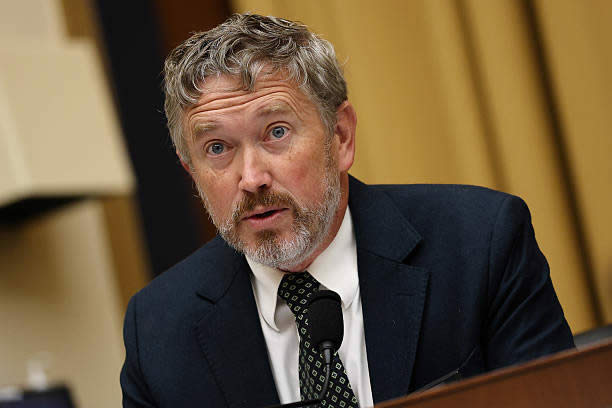
Rep. Thomas Massie of Kentucky revealed during a House Judiciary Committee hearing on Wednesday, reported by the Miami Herald, that the FBI has records naming at least 20 people tied to Epstein, including major figures in Hollywood, politics, finance, and banking.
Massie claimed the files include “one Hollywood producer worth a few 100 million dollars, one royal prince, one high-profile individual in the music industry, one very prominent banker, one high profile government official, one high profile former politician, one owner of a car company in Italy, one rock star, one magician, at least six billionaires, including a billionaire from Canada. We know these people exist in the FBI files, the files that you control.”
Despite those assertions, FBI Director Kash Patel has insisted that there is no Epstein client list, no hard evidence linking other people to Epstein’s crimes, and no new investigations underway. “Any investigations that arise from any credible investigation will be brought. There have been no new materials brought to me,” Patel told lawmakers.
- “MAGA threatening MAGA”: Scavino’s leaker rant draws cheers, jeers and Q numerology
- Nebraska woman who stole $2,200 from ex-employer gets extra 30 days for outbursts at her own sentencing
- Meghan Markle sent father final letter after amputation, saying he would never meet her children
- Tennessee woman beaten with hammer by ex 30 minutes after police drove her home
- Kim Kardashian puts on busty display at All’s Fair premiere as she spills out of leopard print dress
Patel, who once called for Epstein’s files to be made public, placed much of the blame on former federal prosecutor Alexander Acosta, calling his 2008 plea deal with Epstein the “original sin.” That agreement gave Epstein immunity from federal charges and extended protections to several unnamed co-conspirators. It effectively shut down efforts to pursue others in Epstein’s orbit.
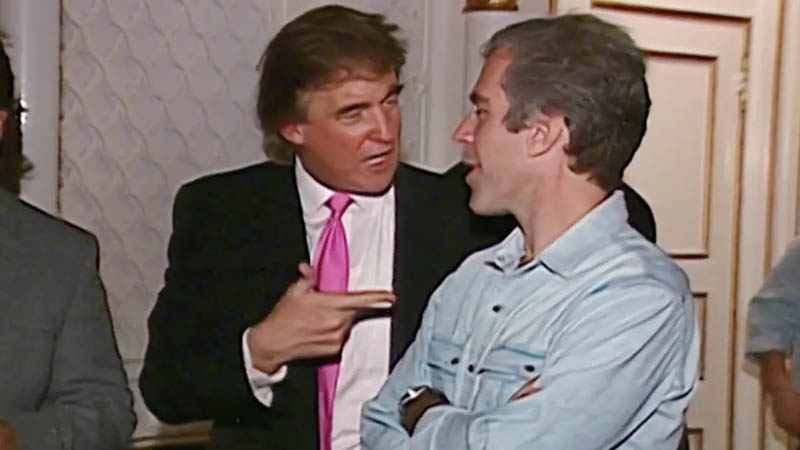
Acosta, once a rising star in the Republican Party, resigned as U.S. labor secretary in 2019 after renewed attention on the deal. He has defended his decision, saying the evidence at the time wasn’t strong enough to win a major conviction. But a Justice Department review in 2020 concluded that Acosta had shown “poor judgment” by offering Epstein such leniency. Epstein ultimately pleaded guilty to state charges of soliciting a minor, served 13 months in jail, and was allowed to leave on work release most days.
The Miami Herald later reported that federal prosecutors had actually drafted a 53-page indictment in 2007, accusing Epstein of sex trafficking minors, but that higher-ups rejected it. Emails uncovered by the Herald showed that Epstein’s team of high-powered attorneys—including Alan Dershowitz, Kenneth Starr, and others—pressed prosecutors for concessions and often got what they wanted.
That deal didn’t stop prosecutors in New York from filing new sex trafficking charges against Epstein in 2019. A month after his arrest, Epstein was found dead in his jail cell, which was officially ruled a suicide, though his family and lawyers dispute that. His longtime associate Ghislaine Maxwell was later convicted on trafficking charges and sentenced to 20 years in prison. She is currently appealing, claiming the 2008 deal also covers her.
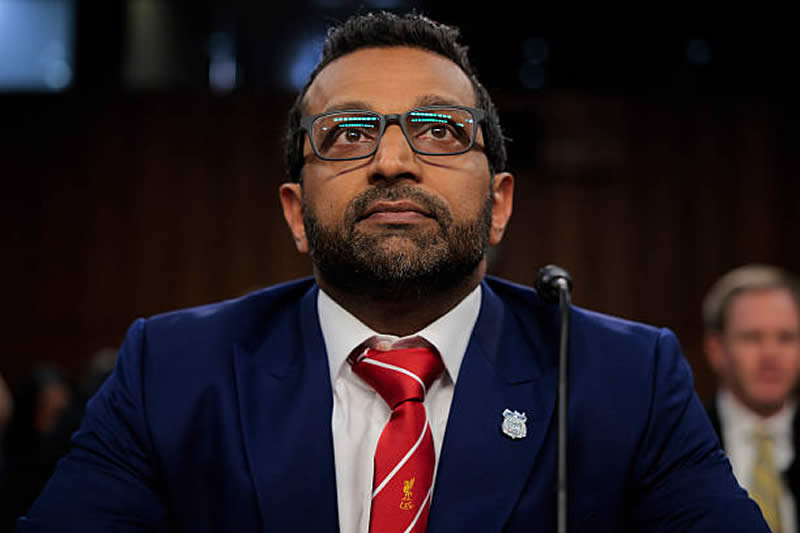
Patel, testifying before Congress, reiterated that the immunity deal remains one of the biggest roadblocks to holding anyone else accountable. “The original sin in the Epstein case was the way it was initially brought by Mr. Acosta,” he said.
The controversy over the FBI’s handling of Epstein’s files continues to fuel public distrust, especially as prominent names remain buried in sealed documents. For now, the fight over whether to reveal them is far from over.