

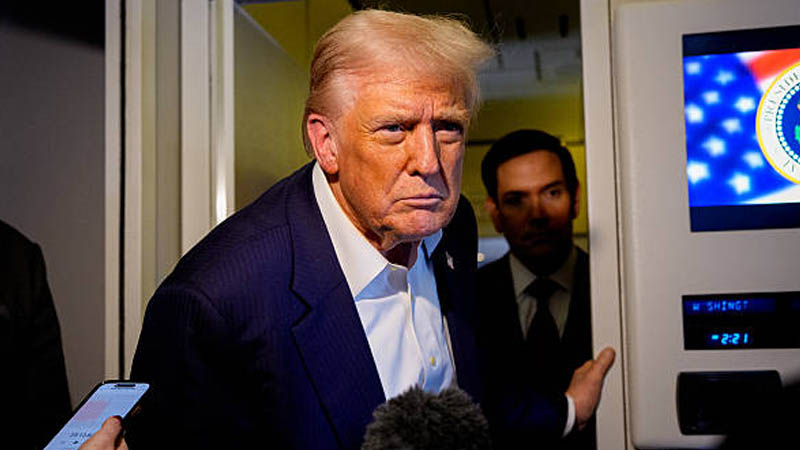
The controversy centers on President Trump’s plan to significantly increase the volume of beef imported from Argentina. The administration says the move is intended to reduce historically high red meat prices in U.S. supermarkets. Over the past year, meat prices have surged, with ground beef up nearly 13% and steak up 16%. The President also stated that the decision would help Argentina, which he called “a very good country, a very good ally.”
As reported by CBS Evening News, the announcement immediately sent wholesale cattle prices plunging. Farmers in Iowa, including Berlin and Pete Wetter, who had been anticipating their first profitable year in several seasons, said they were stunned by the news.
Industry leaders have questioned the effectiveness of the policy. Brian Whan, CEO of the Iowa Cattlemen’s Association, said Americans are unlikely to see noticeable savings at the grocery store since the proposed imports would make up only about 2.5% of the total U.S. beef supply. That small increase, he noted, would not create a “substantial difference” in market prices.
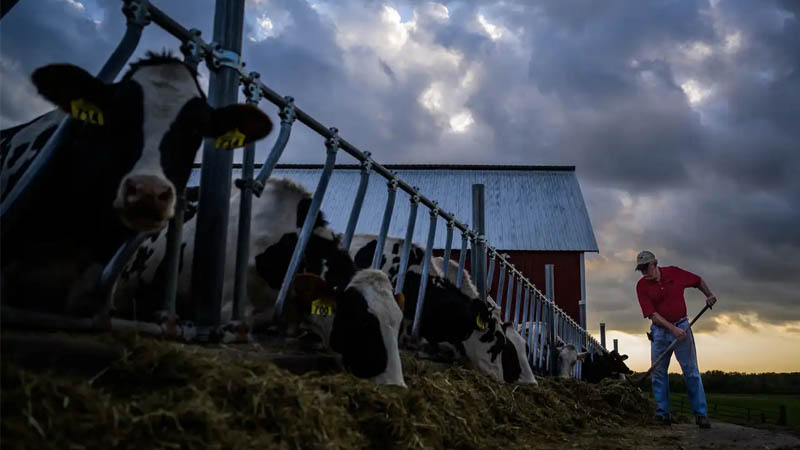
The decision comes at a difficult time for American agriculture. The ongoing trade war with China has already “completely crushed” soybean prices and hurt corn and soy sales. For farmers like the Wetters, cattle had been one of the few remaining profitable commodities this year. Prices had been slowly recovering until the new import plan was announced.
Many producers expressed frustration and confusion, saying the move contradicts the administration’s “America First” trade agenda. “The whole point of tariffs was to bring production back home,” one farmer said, adding that the policy feels like “an attempt to destroy domestic production.”
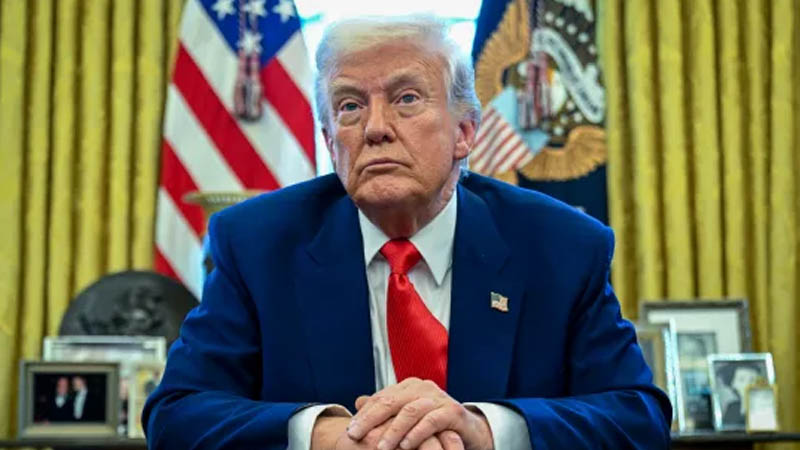
Producers also voiced disappointment, saying they feel left out of the President’s priorities. “We’re being used and abused as producers,” one farmer said. “It feels like being a pawn in a game we’re not going to win.”
Defending the policy, the White House press secretary said President Trump “loves ranchers” but believes that expanding the beef supply is the best way to lower consumer prices. Meanwhile, U.S. farmers are still waiting for details of a promised federal aid package, which remains delayed due to the ongoing government shutdown.