


A growing sense of regret is spreading across America’s farm belt as many of the same ranchers and growers who helped deliver huge electoral wins for Donald Trump now say they are being squeezed by the consequences of his trade fights, tariff decisions, and immigration policies.
What was once a loyal voting bloc is now dealing with bankruptcies, shrinking markets, and labor shortages at a scale many describe as the worst in their lifetimes. Reporting from outlets like The Washington Post and Reuters has outlined the mounting pressure across rural America.
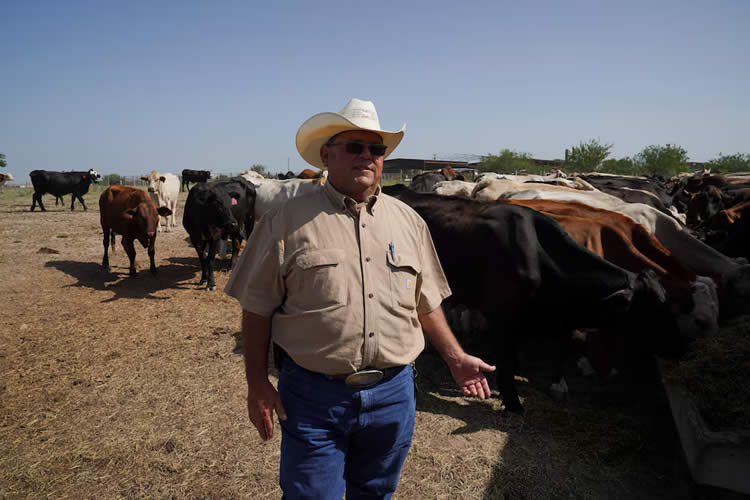
For cattle ranchers, the frustration has been building for months. After years of barely breaking even, producers were finally inching toward profitability when the Trump administration floated the idea of importing cheaper beef from Argentina to bring down consumer prices. To ranchers, the proposal felt like a gut punch. One independent producer estimated the move could wipe out “around $200 a head in value,” adding up to roughly $17 billion in losses across the industry. Many saw it as a direct contradiction of the “America First” message they believed they were voting for.
Soybean farmers are facing an even steeper drop. In a move that stunned the agricultural community, the administration approved a $20 billion financial package for Argentina, a lifeline that allowed the country to drop its soybean tariffs to China.
That single decision opened the door for Argentine growers to undercut U.S. producers in the biggest market on earth. As one report noted, “the China market has essentially been shut down” for American soybeans, with China turning to Brazil and Argentina instead. For farmers who rely heavily on exports, losing China has been catastrophic.
Adding to the financial squeeze is a labor crisis created by harsh anti-immigration rhetoric and increased federal enforcement. Many farms rely on migrant labor to pick crops, operate equipment, and keep production on schedule. When workers left or avoided job sites out of fear, fields went unpicked.
One commentator summed up the situation bluntly: without migrant labor, “you’re gonna have to hire Americans, and they’re gonna unionize and ask for higher wages,” a shift that makes current profit margins nearly impossible to maintain.
The economic fallout is visible across the Midwest. Iowa Starting Line has reported that Iowa now leads the nation in farm bankruptcies, marking the highest levels since the last major trade war. Machinery auctions in towns like Strawberry Point have surged 30% as farmers sell equipment just to cover mounting debt. Even major manufacturers are feeling the strain. John Deere employees have faced layoffs tied to the same steel tariffs that raised costs for the equipment farmers rely on.

Despite the financial pain, political reactions are mixed. Some farmers have filed lawsuits after promised Inflation Reduction Act funds were pulled back, while others continue to voice support for Trump. Iowa Governor Kim Reynolds has publicly reaffirmed her backing. But online, critics have adopted the phrase “FAFO season” and argue that many farmers ignored the lessons of the 2017 trade battles and voted against their own economic interests.
High-authority reporting from Reuters and The Washington Post continues to document the widening economic damage, the shifting mood in rural communities, and the sense that many farmers are now being harmed by the same policies they once championed.