


Rep. Marjorie Taylor Greene, a Republican from Georgia, is publicly demanding that House Speaker Mike Johnson, a Republican from Louisiana, immediately seat the Democrat who won a special election six weeks ago. She says Johnson’s refusal to act is ‘wrong’ on multiple levels.
The congresswoman-elect is Adelita Grijalva of Arizona, who won the special election on September 23 to fill her late father Rep. Raúl Grijalva’s seat.
But despite the clear victory, Grijalva still hasn’t been sworn in. Johnson has given various reasons—first pointing to the certification of the election, then to the fact the House is out of full session because of the shutdown.
Greene appeared on CNN’s The Source and pressed the matter. She said, “I’m not allowed to work, and I’m not allowed to represent my district.” She went on: “And we’re not even passing our appropriations. And my rural district is the type of district when they have appropriation requests, they’re extremely important.”
When asked about Grijalva’s situation—six weeks after winning and still not seated—Greene was succinct: “She should be sworn in.”
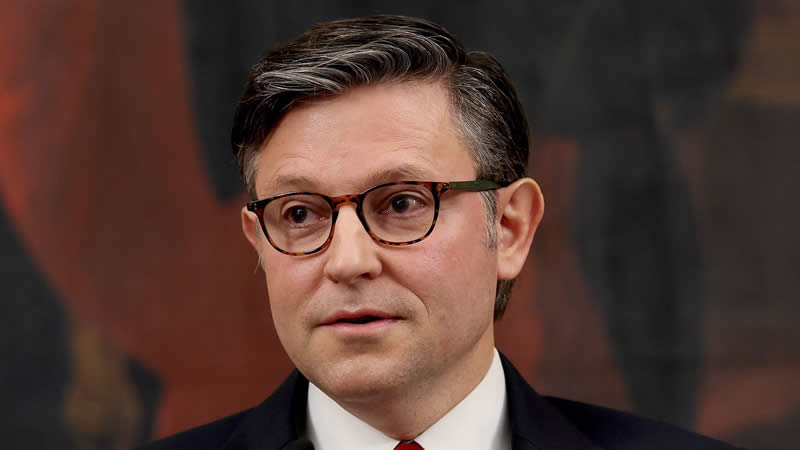
Meanwhile, Johnson dismissed the delay as the result of standard procedure, saying Grijalva should stop making “political stunt videos” and instead get to work. The issue remains: until she takes the oath, she has no congressional or paid staff and her district remains unrepresented in practical terms.

(Credit: ANDREW CABALLERO-REYNOLDS/AFP via Getty, Chip Somodevilla/Getty)
There’s a particular wrinkle here: Grijalva would give Democrats the 218th vote needed to force a floor vote on compelling the Department of Justice to release files related to convicted sex-trafficker Jeffrey Epstein. That’s raised suspicion among some Democrats that the delay is politically motivated.
From Grijalva’s perspective: she’s ready, willing, and elected by her constituents—but barred from participation. From Johnson’s side: he says the House isn’t back to business yet and that the delay isn’t about Epstein or her party. The practical outcome is the same: more than 800,000 people in Arizona’s 7th district are without full congressional representation for now.
At stake: trust in congressional procedure, fairness in representation, and the question of whether internal politics are being allowed to override who gets to serve. With the government shutdown dragging on, this standoff may have longer-term implications than just a delayed swearing-in.