

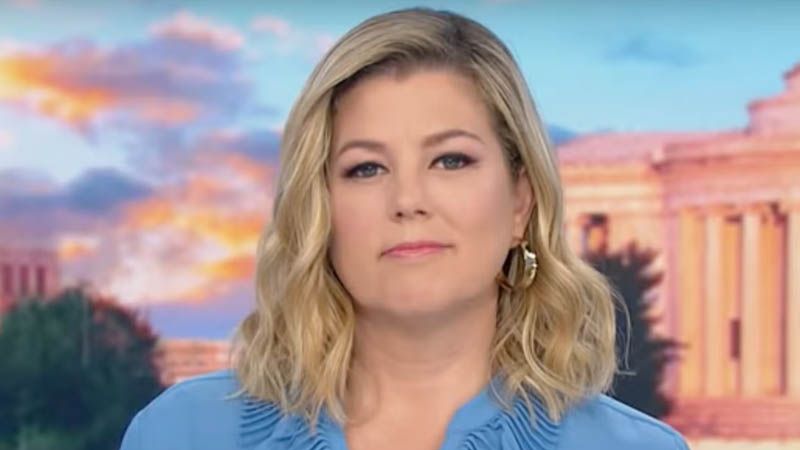
President Donald Trump’s counterterrorism adviser Sebastian Gorka went head-to-head with CNN anchor Brianna Keilar on Sunday in a heated exchange over the role of gender identity in recent mass shootings.
Gorka appeared on the network to talk about this week’s deadly Minnesota church shooting carried out by 23-year-old Robin Westman, who was born male but identified as a woman. He tied the attack to other incidents involving transgender suspects, reported MEAWW.
“Just as with the transgender attack on the Nashville Christian School, in which more children were killed, there is an ideological connection to multiple of these attacks where innocent children, especially Christians and Catholics, are targeted,” Gorka said. “It is very, very disturbing.”
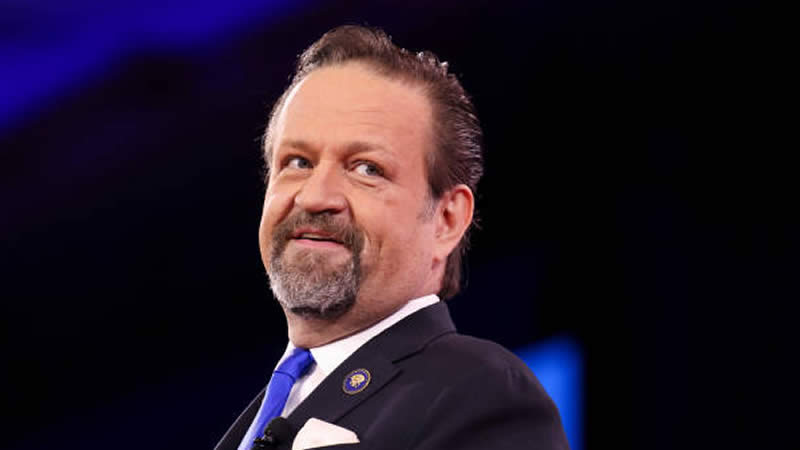
Keilar pushed back, arguing he was fixating on transgender identity rather than the broader problem of gun violence. She cited data showing that of 32 school mass shootings since 2020, only two involved perpetrators who identified as transgender or gender-diverse. She appeared to reference statistics from the Gun Violence Archive, which has reported that just 0.11% of all mass shootings in the last decade were committed by transgender suspects, as reported by CNN.
Gorka dismissed the numbers outright. “Forgive me if I don’t go with CNN’s stats, okay? CNN has proven itself to be wholly inaccurate in all kinds of things for the last ten years,” he said, invoking the “Russia hoax” and border security disputes as examples. “So please, forgive me if I don’t take your stats for granted.”
Keilar didn’t back down. “It’s simple math. Two of 32,” she countered, adding that the network “could not stick with your facts because they are not accurate.”
That comment set Gorka off even further. He accused CNN of spinning “fake news” on the spot just to undercut his argument. After collecting himself, he argued that the real focus should be on spotting early warning signs among would-be attackers.
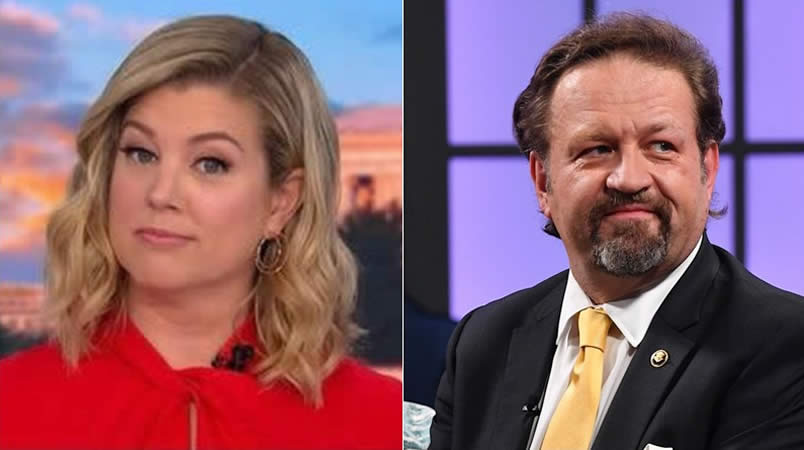
“And what about all the non-trans school shooters?” Keilar asked.
“What about all… the same thing happens!” Gorka replied. “They have multiple interactions with authorities, with their schools, with the principals. Why is something not being done instead of blaming an inanimate object, which is the weapon?”
The fiery back-and-forth highlighted the deep divisions over how mass shootings are framed in the media and in politics. While Gorka zeroed in on the gender identity of the Minnesota shooter and tied it to an ideological pattern, Keilar pressed the broader statistical reality—that such cases are rare compared to the overall crisis of gun violence in schools.