

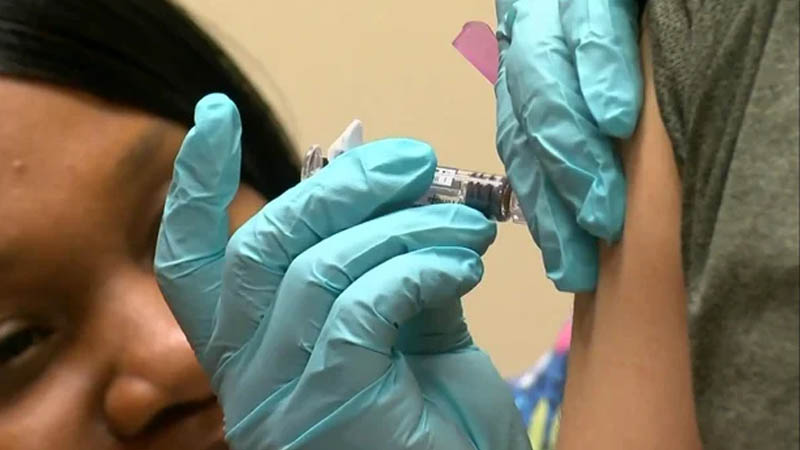
For the first time in 30 years, the American Academy of Pediatrics (AAP) has released vaccine recommendations that don’t line up with the Centers for Disease Control and Prevention. The group is now advising that children between the ages of 2 and 18 can receive the COVID-19 shot if their parents want it, marking a major split with the CDC.
Back in May, the CDC took COVID shots off the list of recommended vaccines for healthy kids and pregnant women. The agency said families could still consult with doctors if they wanted their children vaccinated, but it was no longer standard guidance.
That decision came in the middle of a push from Health and Human Services Secretary Robert F. Kennedy Jr., who has faced heavy criticism for his history of vaccine skepticism.
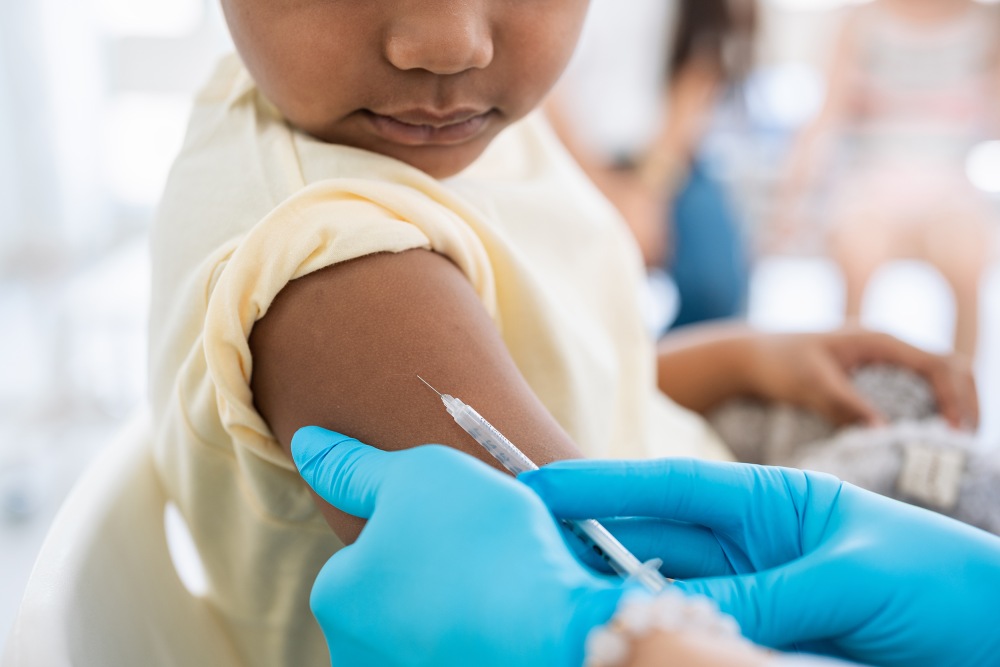
“Last year the Biden administration urged healthy children to get yet another COVID shot despite the lack of any clinical data to support the repeat booster strategy in children,” Kennedy said at the time. His comments fueled the debate over whether vaccines should remain part of routine care for kids.
The CDC acted before its advisory panel even had a chance to weigh in on the fall vaccine strategy. That move prompted a backlash from several health organizations. In July, the AAP and other medical groups filed a lawsuit against the federal government, accusing Kennedy of sidestepping the usual scientific review process and misleading the public.
The controversy has also sparked resignations inside the government. In March, Dr. Peter Marks, the Food and Drug Administration’s vaccine chief, stepped down and accused Kennedy of spreading falsehoods. “It has become clear that truth and transparency are not desired by the Secretary, but rather he wishes subservient confirmation of his misinformation and lies,” Marks wrote in a letter to Acting FDA Commissioner Sara Brenner.
Marks’ departure left a vacuum that was quickly filled by Dr. Vinay Prasad, a vocal critic of how the FDA handled COVID-19 immunization policies. But his appointment didn’t settle things down. Prasad resigned in July during a separate controversy over gene therapy, only to return to the position weeks later, adding more chaos to the already tense debate over vaccines.

The AAP’s new guidance underscores how divided the medical community has become since the start of the pandemic. For decades, pediatricians and the CDC have worked hand in hand on vaccine schedules, presenting a united front to parents. That unity has now fractured in public view, leaving families to sort through conflicting advice from trusted institutions.
For parents, the new guidance means more responsibility in deciding whether to vaccinate their children against COVID-19. While the CDC has stepped back from recommending it universally, the AAP insists the option should remain on the table. And with lawsuits, resignations, and heated political fights swirling around the issue, it’s clear the battle over Covid vaccines for kids is far from over.