


Sean “Diddy” Combs is making what could be his last plea before sentencing in his federal case. Less than a day before he’s due back in court, the 54-year-old music mogul submitted a four-page handwritten letter to Judge Arun Subramanian, expressing regret, shame, and what he called a rebirth behind bars.
“First and foremost, I want to apologize and say how sincerely sorry I am for all of the hurt and pain that I have caused others by my conduct,” Combs wrote. “I take full responsibility and accountability for my past wrongs”, reported ABC7.
He admitted no apology could undo the damage. Saying “I’m sorry,” he wrote, will “never be good enough” because those words “cannot erase the pain from the past.”

Combs described his 13 months in jail as a constant replay of his assault on Cassie Ventura. “The scene and images of me assaulting Cassie play over and over in my head daily. I literally lost my mind,” he said.
In the letter, he described how prison stripped away the glamour and excess that had defined his life. “I lost my way. I got lost in my journey. Lost in the drugs and the excess. My downfall was rooted in my selfishness. I have been humbled and broken to my core,” he admitted.
He also revealed how deeply he struggled with despair. “Over the past year, there have been so many times that I wanted to give up. There have been some days when I thought I would be better off dead. The old me died in jail, and a new version of me was reborn. Prison will change you or kill you, I choose to live.”
Combs insisted his biggest wish now is to be present for his family and to use a second chance wisely. “Today, I humbly ask you for another chance, another chance to be a better father, another chance to be a better son, another chance to be a better leader in my community, and another chance to live a better life,” he said.
He stressed that he wasn’t trying to win sympathy but wanted to share the reality of his journey. “This experience is simply the truth of my existence and has changed my life forever, and I will never commit a crime again.”
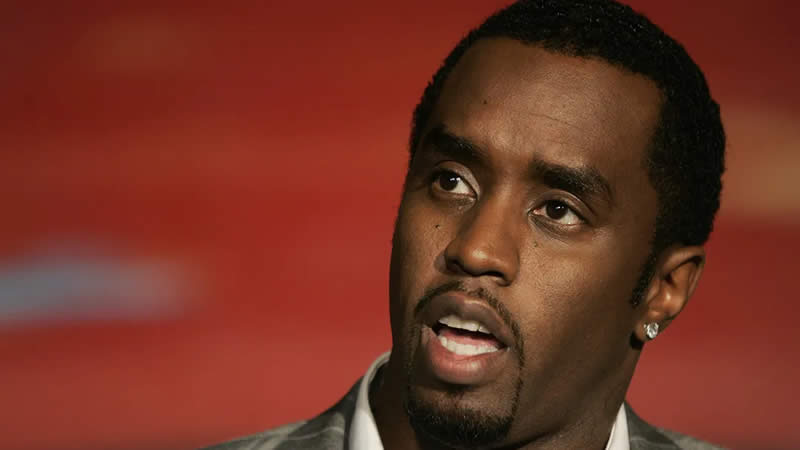
The emotional appeal came as prosecutors asked the judge to sentence Combs to at least 11 years in prison for two counts of transportation for prostitution. His attorneys pushed back, arguing for 14 months, which with credit for time served could free him by year’s end.
Judge Subramanian earlier denied Combs’ request for a new trial or an acquittal, making this plea letter his final chance to sway the court.
As sentencing looms, Combs’ words reflect the stakes not only for his future but for how much weight the judge gives to contrition, remorse, and promises of change.