

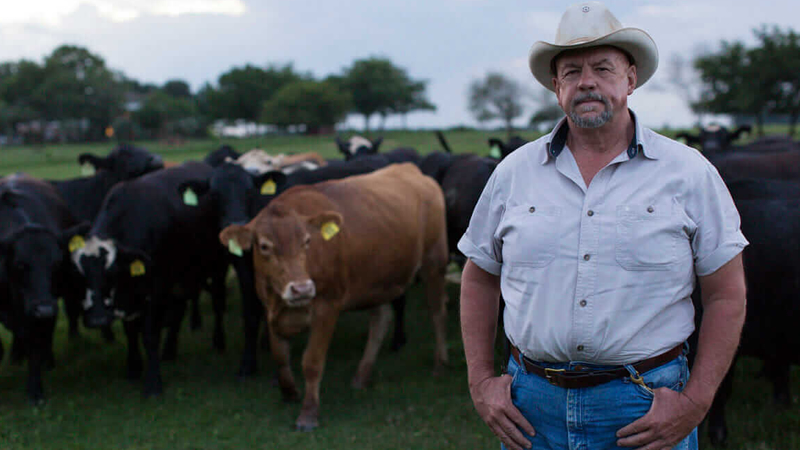
As grocery store beef prices remain stubbornly high, cattle ranchers across the country say the real problem is not supply alone, but who controls the system behind it.
Will Harris, a fourth-generation cattleman and owner of White Oak Pastures in Bluffton, Georgia, says the U.S. beef market has become dangerously concentrated, leaving ranchers and consumers on the losing end.
“Meat packers have created a system where they win no matter what, at the cost of everyone else,” Harris said.
Unlike many producers, Harris operates a vertically integrated farm that handles everything from raising cattle to processing and selling beef. That full view of the supply chain, he says, makes the imbalance impossible to ignore.
At the center of the issue are the so-called Big Four meatpacking companies: Tyson Foods, JBS, Cargill, and National Beef. Together, they process roughly 85% of the grain-fed cattle that become steaks, roasts, and other cuts sold in U.S. supermarkets.
“The U.S. beef market is so highly concentrated that a small number of dominant packers control processing, distribution, and pricing,” Harris told Fox News. “That allows them to pay ranchers less for cattle while charging consumers more at the store.”
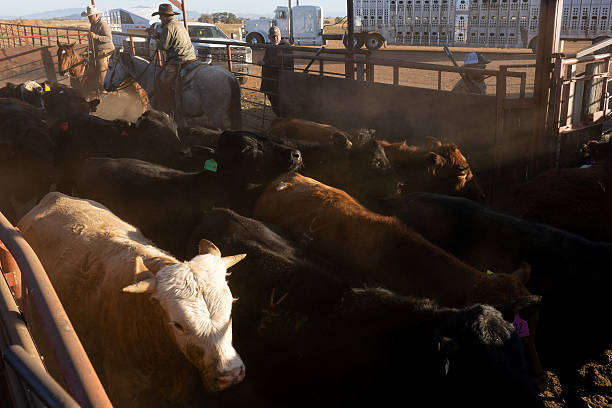
Harris also points to imported beef as another lever packers use to widen profit margins. When cheaper foreign beef enters the market, he says, it gives large processors additional pricing power rather than meaningful relief to consumers.
That concern resonates far beyond Georgia.
In Texas, cattle rancher Cole Bolton, owner of K&C Cattle Company, says ranchers have been feeling the pressure for decades.
“The real issue is the price differential between the big four packers and what they’re paying us for the product,” Bolton said. “Ranchers have dealt with razor-thin margins of profitability for the last 20 years.”
Bolton and Harris both acknowledge that recent decisions by President Donald Trump to temporarily expand beef imports from Argentina could help ease prices in the short term. But they stress that imports are not a long-term solution to a structural problem.
“Imports should be a bridge, not a permanent replacement,” Harris said. “We must rebuild the American cattle herd, protect American farmers, and ensure transparency so consumers know where their beef comes from.”
The pressure on domestic production has been building for years. Prolonged drought, soaring feed costs, labor shortages, and an aging ranching population have all contributed to shrinking herds. As a result, the U.S. cattle supply is now at its lowest level in more than 70 years.
“I think it’s going to take time to fix this crisis,” Bolton said. “My message to consumers is simple: be patient. We’ve got to rebuild our herds.”
Bolton noted that ranchers have endured a series of setbacks over the past five years, from volatile markets to extreme weather events, making recovery slow and uncertain.
For ranchers like Harris and Bolton, the path forward depends on restoring competition, strengthening domestic production, and rebalancing power in a system they say currently favors corporate scale over agricultural sustainability.
Until then, they warn, both ranchers and consumers will continue paying the price.