

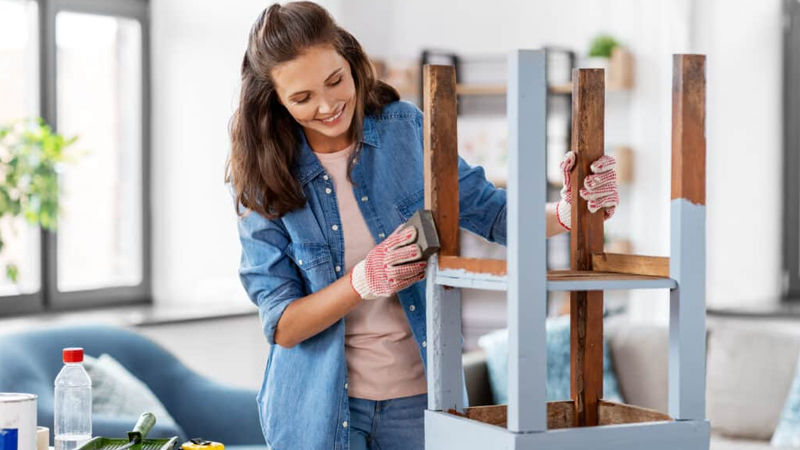
There is something incredibly empowering about taking on DIY home improvement projects, especially when you realize you don’t need a contractor or a big budget to make your home feel more beautiful and comfortable. For many women, learning DIY skills isn’t just about fixing things. It’s about creating a space that supports your lifestyle, your well-being, and the people you love.
Coming from a background of writing health and food content, I’ve learned that small, consistent changes often bring the biggest improvements to daily life. The same idea applies to upgrading your home. You don’t have to remodel your entire kitchen or rip out walls. Sometimes the best transformations start with a paintbrush, a screwdriver and a free weekend.
This guide walks you through beginner-friendly DIY projects that are affordable, approachable, and confidence-boosting. If you’re looking for ideas that make your home feel fresh without overwhelming your schedule, you’re in the right place.
Why DIY Home Improvement Projects Are Perfect for Beginners
Before diving into the projects, it helps to understand why DIY is such a great option for women who want hands-on control over their living spaces.
You build confidence with every project
The first time you swap out a light fixture or repaint a room, it feels like magic. You realize you’re capable of things you once thought required professional help. That sense of accomplishment carries into other parts of your life, too, which is why so many women fall in love with DIY.
Read Also: DIY Home Improvement: Upgrading Your Space One Project at a Time
You save money without sacrificing style
Most beginner-friendly DIY home improvement projects cost far less than hiring help. You can upgrade your home on your own timeframe and within your budget, which makes the process much less stressful.
You create a healthier living environment
Just like choosing better ingredients in the kitchen improves your wellness, improving your home environment enhances your day-to-day comfort. Better lighting, organized spaces, and fresh materials all contribute to a calmer and healthier atmosphere.

Project One: Refresh a Room with Paint
If you’re nervous about starting your DIY journey, painting is the perfect beginner project. A fresh coat of paint can brighten a room, change its mood and give your home an immediate upgrade.
Choose beginner-friendly paint colors
Soft neutrals, warm whites, and muted pastels are forgiving and easy to pair with existing furniture. They also help rooms feel bigger and calmer.
Prep the right way
Remove outlet covers, tape edges and cover flooring. Prepping well makes painting easier and produces cleaner results.
Start with small spaces
Bathrooms, closets, or entryways are great for building confidence and learning how paint behaves.
Project Two: Create Simple Accent Walls
If you love the idea of a bold design statement but aren’t ready for a full room makeover, an accent wall is ideal. It creates personality without overwhelming the space.
Options for accent walls
- A darker or contrasting paint color
- Peel and stick wallpaper
- Wood slats or paneling
- Stencil patterns
Peel-and-stick wallpaper is especially beginner-friendly. It’s removable, affordable, and easy to reposition if you make a mistake.
Project Three: Upgrade Your Lighting
Lighting has a huge impact on how your home feels. You don’t need to be an electrician to make simple upgrades.
Easy lighting improvements for beginners
- Replace outdated lamps with modern LED options
- Swap harsh bulbs for warm white tones
- Add battery-operated puck lights under cabinets
- Use smart bulbs for adjustable ambience
If you’re ready for a small challenge, replacing a ceiling fixture is manageable for beginners as long as you turn off the power at the breaker and follow safety steps.
Project Four: Install Floating Shelves
Floating shelves are stylish, functional, and surprisingly simple to install. They help reduce clutter and add personality to blank walls.
Where floating shelves work well
- Bathrooms for towels and toiletries
- Kitchens for spices or small dishes
- Living rooms for books and décor
- Bedrooms for plants or framed photos
Use a level and stud finder to ensure you mount shelves securely. Once they’re up, you can style them with personal touches that make your home feel curated rather than crowded.
Project Five: Refresh Kitchen Cabinets
You don’t need a full kitchen remodel to make your cabinetry look new. A few small updates can drastically transform your space.
Simple cabinet upgrades
- Replace outdated hardware
- Add peel-and-stick backsplash tiles
- Paint cabinet doors using a durable semi-gloss finish
- Add soft-close hinges
Peel-and-stick products are especially beginner-friendly, and they can change the entire feel of the kitchen in a single afternoon.
Project Six: Build a Wellness Corner
One of the most overlooked DIY home improvement projects is creating a space that supports your emotional and physical well-being. With your background in health and self-care, this project ties in beautifully.
Ideas for your wellness corner
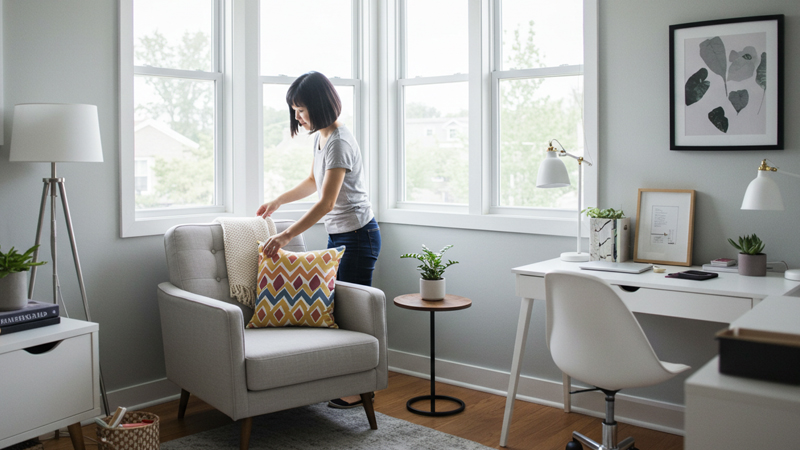
- A cozy reading chair with soft lighting
- Yoga or meditation space
- Essential oil diffusers or candles
- Plants to improve air quality
Project Seven: Add Simple Curb Appeal
Small outdoor improvements go a long way in making your home feel inviting.
Beginner curb appeal projects
- Paint the front door
- Add potted plants or hanging baskets
- Replace house numbers
- Install solar walkway lights
These outdoor upgrades require minimal tools and can be completed in just a few hours.
Tips to Stay Confident Through Your DIY Journey
Start with achievable goals
Choose projects that match your comfort level and build momentum over time.
Watch tutorials
Seeing a project before doing it can make the entire process much less intimidating. There are countless beginner-friendly videos online.
Don’t aim for perfection
DIY is about progress, not perfection. Small imperfections give your home character and tell a story about the work you put in.
Final Thoughts
Starting DIY home improvement projects is one of the best ways to make your home feel more personalized, comfortable, and uplifting. You don’t need expensive tools, professional training, or years of experience. You just need curiosity, patience and a willingness to try something new.