

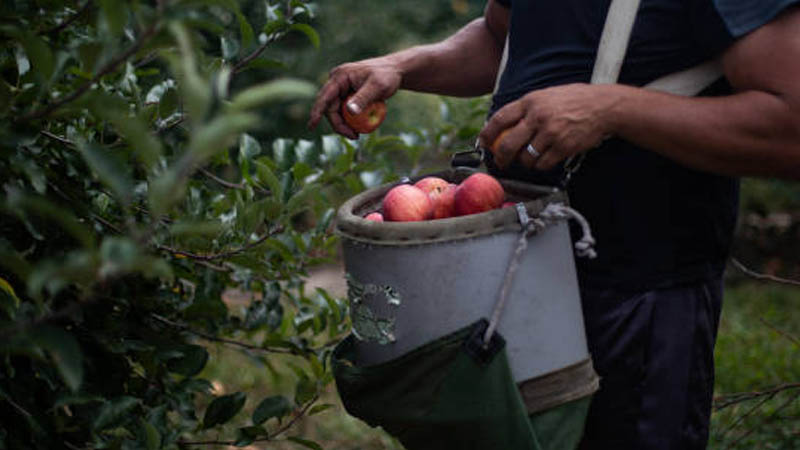
Apple growers across Pennsylvania are dealing with a season that feels like one hit after another, and many say it is starting to threaten their long-term survival. Orchard owners told TribLive that a mix of stubborn drought, heavy spring rain, and tougher national competition has made this one of the hardest years they have faced.
Pennsylvania reportedly produces between 400 and 500 million apples a year, which puts the state among the country’s top apple exporters. But this year, the weather has not cooperated at all.
Farmers said planting was difficult from the start. Heavy spring rain made it tough to get seeds in the ground, and once the rain stopped, everything swung in the opposite direction. Dry conditions took over and the lack of steady moisture slowed tree growth.
On top of the weather challenges, growers are feeling squeezed by competition from Washington state. Because of changes in the export market, more Washington apples are now being sold in the eastern United States, pushing Pennsylvania growers to cut prices just to compete.
That shift goes back to 2019, when India placed a retaliatory 20 percent tariff on apples from Washington. It was a response to President Donald Trump’s tariffs on Indian steel and aluminum. The tariff crushed Washington’s export market, which dropped by 99 percent, sending more of their apples into markets that Pennsylvania growers depend on.
As a result, farmers in the state have been forced into a tough price fight. “The biggest threat is the market pressures of pricing,” Shanthanu Krishna Kumar, assistant professor of tree fruit science at Penn State University, told TribLive. “That is what the apple industry has been battling for several years.”
Farmers worry that if these weather patterns continue, it could put their businesses in serious danger. Bad seasons can tighten already thin margins and eventually push fruit prices higher for shoppers. While competition from Washington has helped keep prices lower for now, growers know that supply can change quickly.
Extreme weather driven by rising global temperatures is already affecting farms across the United States. Research from Washington State University found that warming trends are hurting apple production, adding another layer of pressure on an already struggling industry.
Human activity continues to release heat-trapping gases into the atmosphere, and even though the problem can feel far removed from everyday life, it has a direct impact on food prices, crop availability, and long-term food security.
Scientists and growers are looking for ways to adapt. Some researchers are experimenting with apple genetics to create varieties that can handle heat, resist blight, and need less upkeep. Others have found that planting apple trees among solar panels can protect the fruit from overheating while also generating solar power.