


You do not always need an expensive salon appointment to give your skin a relaxing, refreshed appearance. With a few basic skincare products and a little extra time, you can create a spa-style facial at home.
This nine-step routine is designed to cleanse, exfoliate, hydrate, and nourish your skin while providing a calming self-care experience.
1. Cleanse Your Face
Begin by washing your face with a gentle cleanser suited to your skin type. Cleansing removes makeup, sunscreen, excess oil, dirt, and other impurities that may have collected on your skin throughout the day.
Massage the cleanser into damp skin using circular motions for about 30 to 60 seconds. Rinse your face with lukewarm water and pat it dry with a clean towel.
Avoid using very hot water, as it can leave the skin feeling dry or irritated.
2. Steam the Skin
Facial steaming can help soften surface buildup and prepare the skin for the next steps.
Fill a bowl with hot, but not boiling, water. Position your face a comfortable distance above the bowl and place a towel loosely over your head to contain the steam. Steam your face for around five minutes.
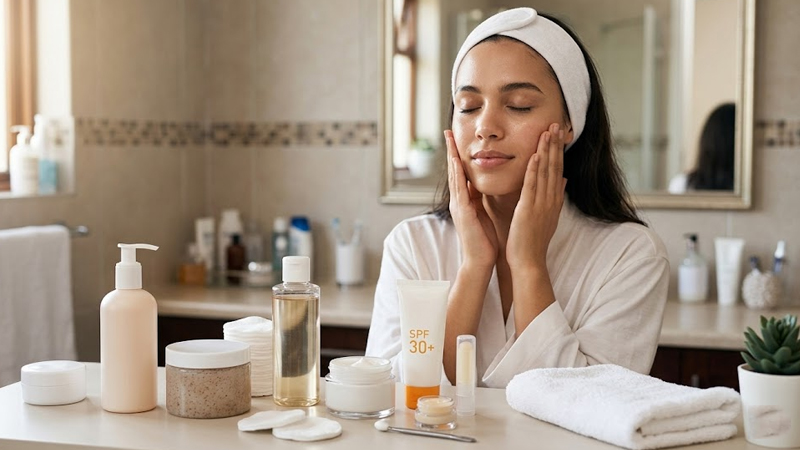
Do not place your face too close to the water. People with rosacea, very sensitive skin, or easily triggered redness may prefer to skip this step.
3. Exfoliate With a Gentle Scrub
Exfoliation helps remove dead skin cells and can make the skin feel smoother and look brighter.
Apply a mild facial scrub to damp skin and gently massage it with small circular motions. Focus on areas that tend to feel rough, but avoid scrubbing aggressively.
Rinse thoroughly with lukewarm water. Harsh or frequent exfoliation can damage the skin barrier, so use a gentle product and limit this step to once or twice a week.
4. Address Blackheads Carefully
Blackhead extraction should always be optional and handled with caution.
After steaming, blackheads may be slightly easier to remove. However, squeezing the skin with your fingers can cause irritation, bruising, scarring, or infection. If you use a blackhead removal tool, make sure it is properly cleaned and apply only very light pressure.
Stop immediately if the area becomes painful, red, or starts bleeding. Deep or stubborn blackheads are best treated by a qualified skincare professional.
5. Apply a Purifying Mask
A purifying mask can help absorb excess oil and leave congested areas feeling cleaner. Apply a thin, even layer of a clay or charcoal mask, avoiding the delicate eye and lip areas. Leave it on for the time recommended on the product label, usually around 10 to 15 minutes.
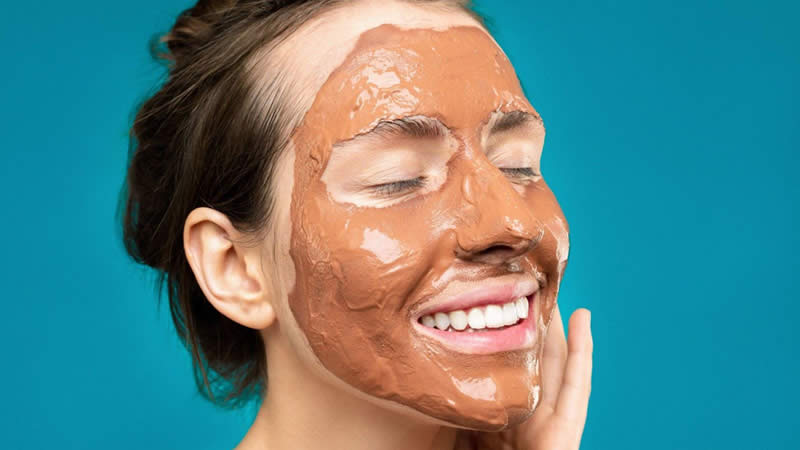
Do not allow the mask to become painfully tight or completely cracked. Rinse it off gently with lukewarm water. People with dry or sensitive skin may apply the purifying mask only to oily areas such as the forehead, nose, and chin.
6. Use a Hydrating Mask
After cleansing and purifying the skin, restore moisture with a hydrating mask.
You can use a sheet mask, gel mask, or creamy moisturizing mask. Apply it evenly and leave it on for approximately 15 to 20 minutes, or follow the product instructions.
Once removed, gently massage any remaining serum into the face and neck. A hydrating mask can help the skin feel softer, calmer, and more comfortable.
7. Apply Toner
Toner helps refresh the skin and prepare it for serum and moisturizer.
Pour a small amount onto a cotton pad and sweep it gently across the face, or press it into the skin with clean hands. Choose an alcohol-free toner containing soothing or hydrating ingredients if your skin is dry or sensitive.
Avoid toners that cause stinging, burning, or excessive tightness.
8. Add a Facial Serum
Serums contain concentrated ingredients designed to address specific skincare needs.
For hydration, look for ingredients such as hyaluronic acid or glycerin. Niacinamide may be useful for uneven tone and excess oil, while soothing formulas can help reduce the appearance of redness.
Apply two or three drops and gently press the serum into the skin. Avoid using several strong active ingredients at once, especially during an exfoliating facial.
9. Finish With Moisturizer
Complete your home facial by applying a moisturizer that matches your skin type.
Gently massage it over your face and neck to help seal in hydration and support the skin barrier. Use a lightweight gel moisturizer for oily skin or a richer cream for dry skin.
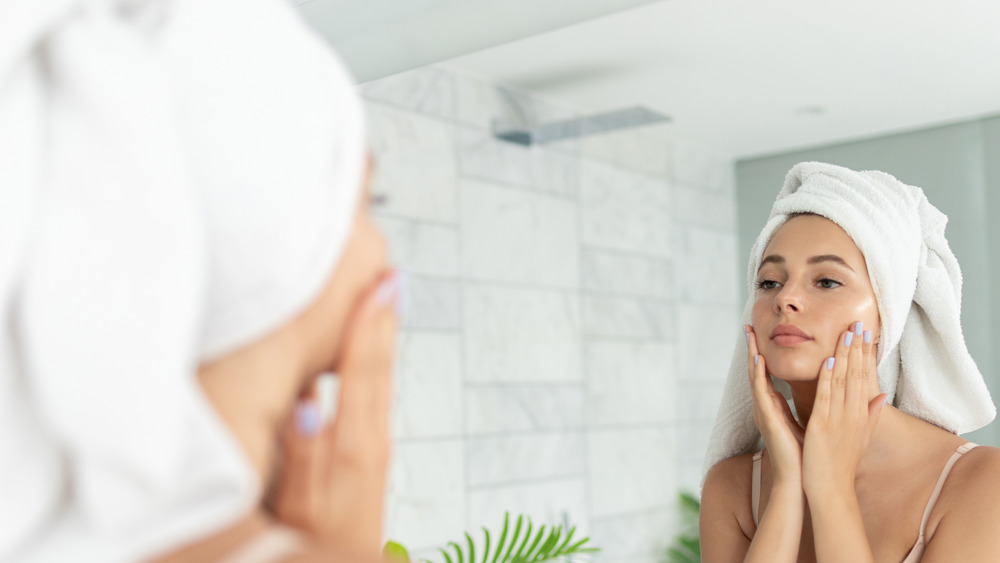
When doing the facial during the daytime, finish with a broad-spectrum sunscreen of SPF 30 or higher.
How Often Should You Do a Home Facial?
A gentle home facial can usually be done once every one or two weeks. Exfoliation, steaming, and purifying masks should not be overused, especially if your skin is sensitive, dry, or acne-prone.
Pay attention to how your skin responds. Redness, burning, itching, or prolonged irritation may be signs that a product or step is too harsh.
Final Thoughts
An at-home spa facial is not only about skincare. It is also an opportunity to slow down, relax, and make time for yourself.
Keep the routine gentle, use products suited to your skin, and remember that consistency is more important than using many products. With the right approach, your home facial can leave your skin feeling clean, hydrated, and refreshed.