


Good hygiene is more than just looking clean. It is about feeling fresh, confident, and healthy every day. A proper hygiene routine does not have to be complicated or expensive. In fact, small daily habits can create a big transformation in the way you look, feel, and carry yourself.
From hair care and oral hygiene to body care, clothing habits, and personal cleanliness, every part of your routine plays an important role. Here is a complete hygiene glow-up routine that can help you stay fresh, clean, and confident.
Hair Hygiene
Healthy hair starts with a clean scalp. Washing your hair two to three times a week is enough for many people, though this can depend on your hair type, lifestyle, and how much you sweat.
After workouts, it is important to rinse sweat from your scalp and hair because sweat buildup can cause odor, irritation, and greasiness. You should also clean your hairbrush weekly, since brushes collect oil, dirt, dead skin, and product buildup.
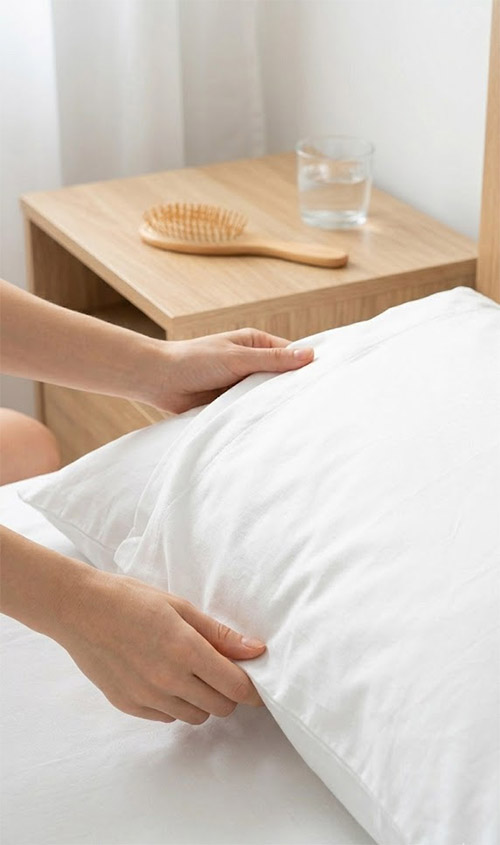
Another simple habit is changing your pillowcases every three to four days. Pillowcases can hold sweat, oil, and bacteria, which may affect both your hair and skin.
Face Hygiene
Your face is exposed to dirt, oil, pollution, and makeup throughout the day, so face hygiene should be a daily priority. One of the most important rules is to never sleep with makeup on. Makeup left overnight can clog pores and lead to breakouts.
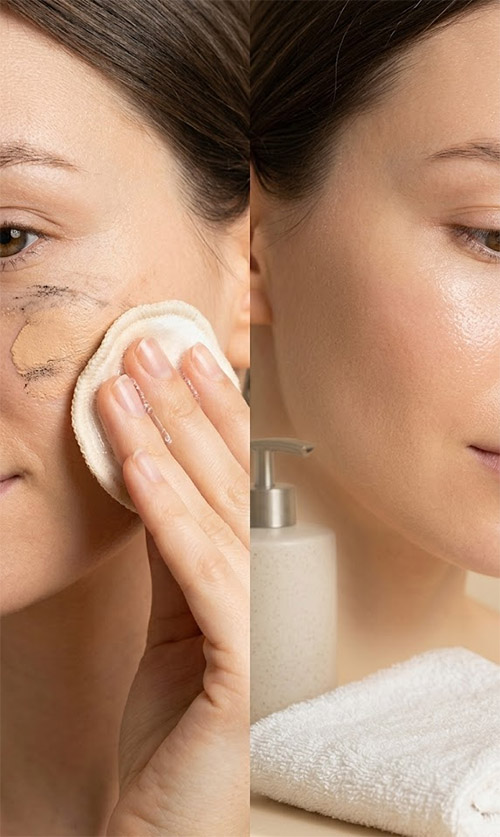
Wash your face twice daily, once in the morning and once before bed. Avoid touching your face too often, especially with unwashed hands, because this can transfer bacteria and oil to your skin.
Use a clean towel only for your face, and try to exfoliate one to two times a week to remove dead skin cells. Do not over-exfoliate, because that can irritate the skin.
Body Hygiene
Showering daily helps remove sweat, odor, dirt, and bacteria from the body. Pay extra attention to odor-prone areas such as underarms, feet, and skin folds.
Use a mild body wash that cleans without drying out your skin. Scrubbing one to two times a week can also help remove dead skin and keep your skin smooth, but gentle exfoliation is better than harsh scrubbing.
Intimate Hygiene
Intimate hygiene should be simple and gentle. Wash the outside area with water and avoid using scented washes, perfumes, or harsh products. These can irritate sensitive skin and disturb the natural balance of the intimate area.
Wear breathable underwear, preferably cotton, and change it daily. Another important habit is wiping from front to back to reduce the risk of bacteria spreading.
Oral Hygiene
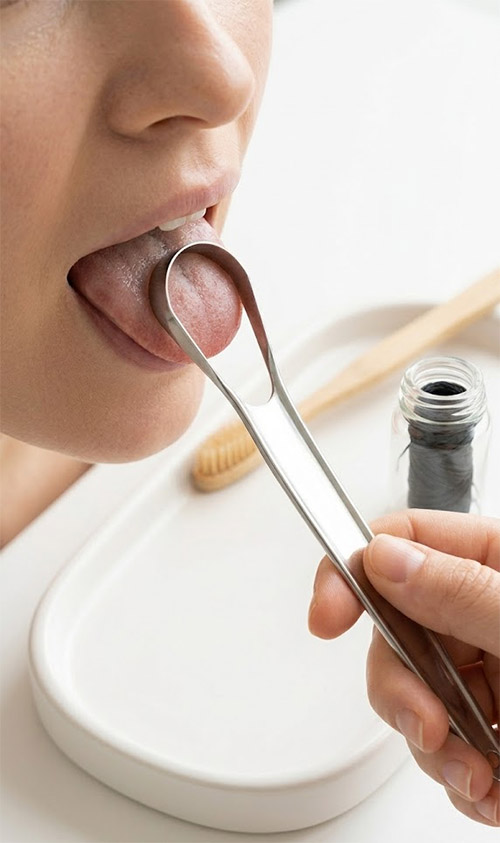
Fresh breath and a clean smile are a major part of personal hygiene. Brush your teeth twice daily, once in the morning and once before bed. Do not forget to scrape or brush your tongue, as bacteria on the tongue can cause bad breath.
Floss once a day to clean between your teeth where a toothbrush cannot reach. You should also change your toothbrush every two to three months, or sooner if the bristles become worn out.
Hand and Nail Hygiene
Hands carry germs from everything we touch, so keeping them clean is essential. Wash your hands regularly, especially before eating, after using the restroom, and after being outside.
Clean under your nails because dirt and bacteria can easily collect there. Trim your nails weekly and avoid keeping them too long if you cannot maintain them properly.
Clothing Hygiene
Clean clothes help you smell fresh and feel comfortable. Change outfits after sweating, especially after workouts or hot weather.
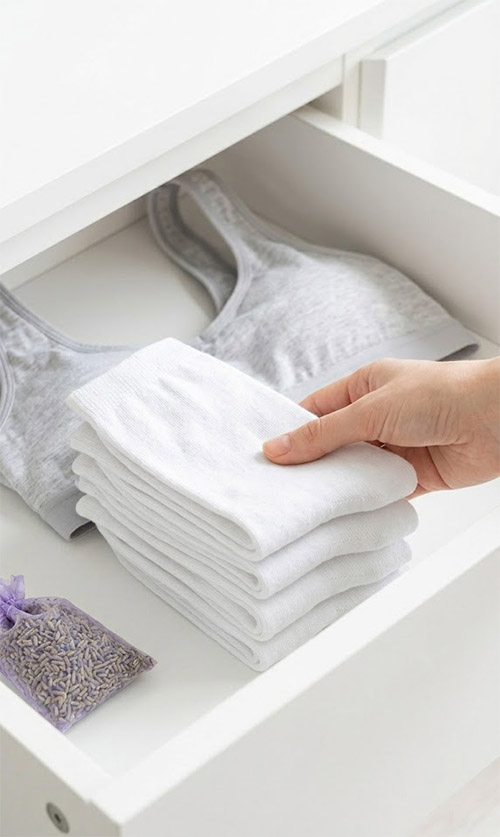
Bras should be washed after two to three uses, depending on sweating and activity level. Socks should not be reused without washing because feet sweat easily and socks can retain odor and bacteria.
Smell-Good Hygiene
Smelling good begins with being clean. Use antiperspirant or deodorant daily, especially after showering. Applying lotion after a shower helps keep your skin soft and can also help fragrance last longer.
Keeping a roll-on deodorant or wipes in your bag can be helpful when you are out for long hours, traveling, or after physical activity.
Period Hygiene
During your period, hygiene becomes even more important. Change pads every four to six hours, or more often if needed. Showering daily can help you feel fresh and comfortable.
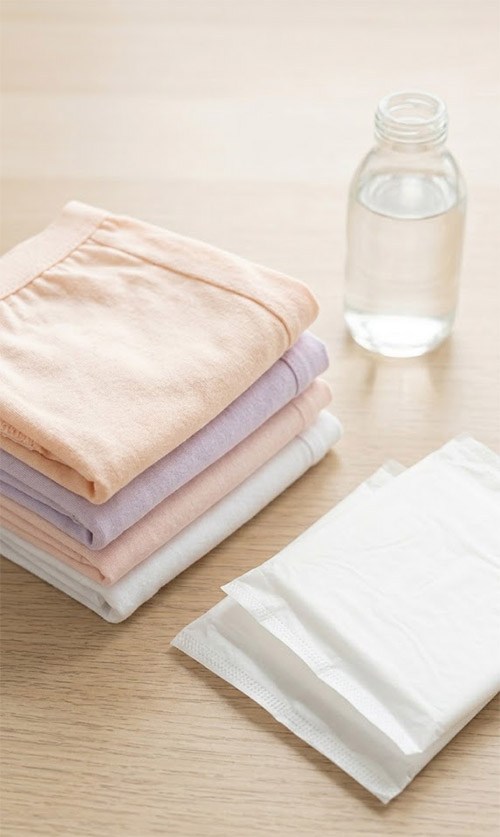
Wear loose, breathable clothing to reduce irritation and discomfort. Good period hygiene can help prevent odor, rashes, and infections.
Cleanliness Habits That Change Everything
Some hygiene habits go beyond the body. Keeping your phone screen clean is important because phones collect germs and are often touched to the face.
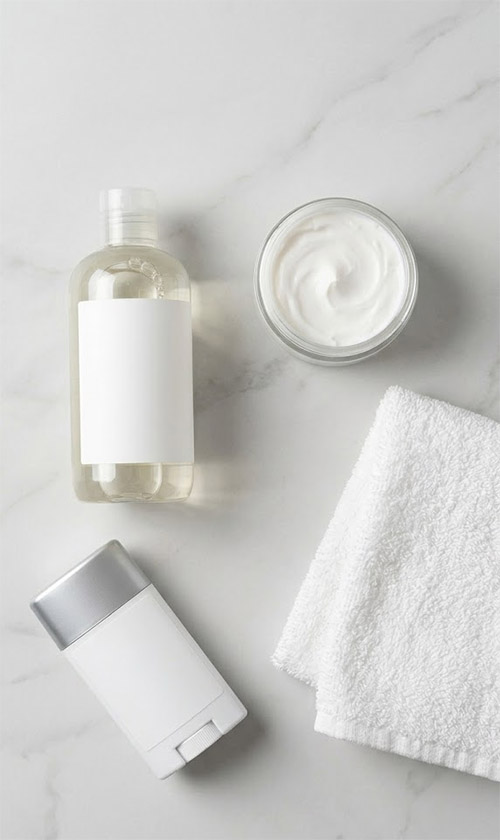
Drink plenty of water to support healthy skin, fresh breath, and overall wellness. Also, keep your personal space clean and fresh. A clean room, clean bedsheets, and organized surroundings can improve your mood and make your routine easier to maintain.
Final Thoughts
A hygiene glow-up does not happen through one big change. It happens through small habits repeated every day. Washing your face, changing pillowcases, brushing properly, keeping your clothes clean, and caring for your body all work together to create a fresher and more confident version of yourself.
Good hygiene is self-care. When you take care of your body and your surroundings, you naturally feel better, look better, and show up with more confidence in your daily life.