

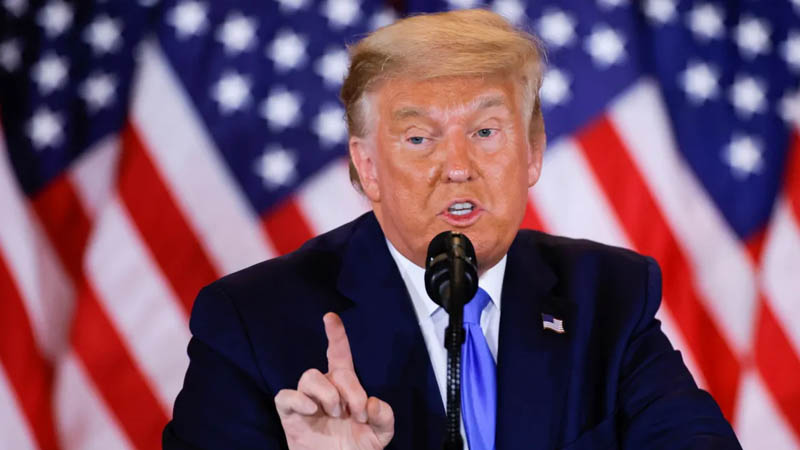
A new poll shows a sharp drop in confidence among Trump supporters about the future of the nation. According to YouGov/Economist data, at the start of September, 75% of Trump voters thought the country was headed in the right direction, with only 17% saying it was off course. But by the end of the month, those numbers shifted, with 70% of respondents expressing optimism and 22% thinking the country was going in the wrong direction—an overall 10-point decline.
This change in sentiment follows a trend seen in other polls. A recent Gallup survey found that optimism among Republicans also dropped, with only 68% of them believing the country was moving in the right direction in September, down from 76% in August.
The AP-NORC survey shows an even sharper shift, with the percentage of Republicans thinking the U.S. was off track climbing from 29% in June to 51% by September. Among Republicans under 45, the number of people who feel the country is heading in the wrong direction surged by 30 points, reaching 61%.
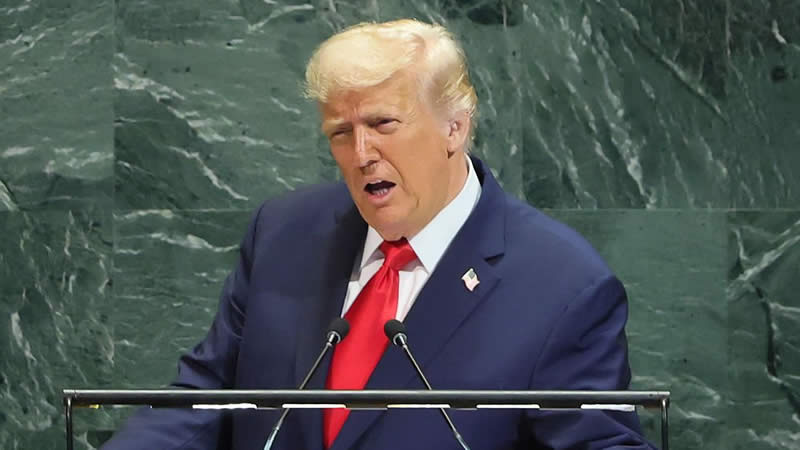
A turbulent month for the Trump administration seems to be behind this growing pessimism. The killing of conservative activist Charlie Kirk caused shockwaves throughout the movement, while the White House faced criticism over what some saw as a crackdown on free speech. This included ABC News pulling Jimmy Kimmel’s show after his comments about the administration’s response to Kirk’s death. The month ended with a political standoff that led to a government shutdown, adding to the sense of uncertainty.
Polling also reveals that Republicans are increasingly concerned about political violence. A Quinnipiac poll found that 60% of Republicans now believe the U.S. is in a political crisis, and YouGov’s survey shows that 67% think political violence is a significant problem.
Many Republicans, however, believe the left is to blame for the rise in violence. A Marquette poll found that 57% of Republicans see left-wing violence as the bigger issue, compared to just 3% who say right-wing violence is the main concern. Despite this, Republicans are less likely than Democrats to link aggressive political rhetoric to increased violence—just 39% of Republicans believe that heated political speech raises the likelihood of violence, compared to 63% of Democrats.
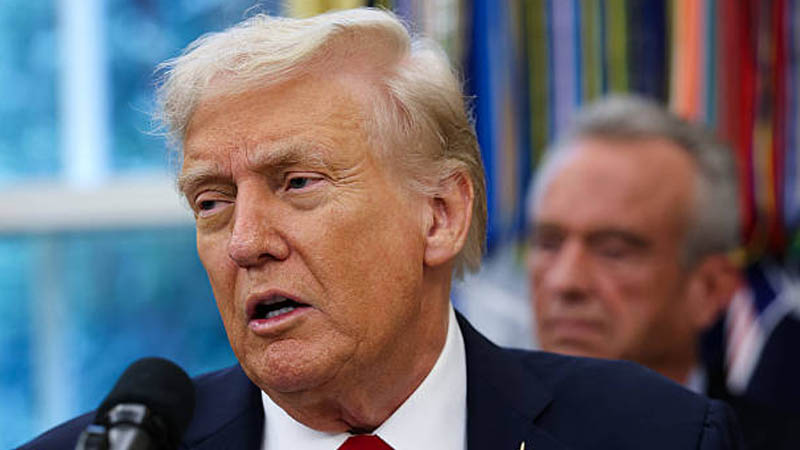
In the aftermath of Kirk’s death, Republicans have reacted with both outrage and grief, seeing it as both a personal tragedy and a turning point in the nation’s political climate. Trump was one of the first to speak out, calling the killing “a dark moment for America” and praising Kirk as a “tremendous person” dedicated to the conservative cause. He ordered flags to be flown at half-staff and announced that Kirk would receive the Presidential Medal of Freedom posthumously. Other Republican lawmakers echoed this sentiment, condemning the violence and highlighting the growing political hostility in the country.
While many Republicans see the political climate as increasingly dangerous, some experts suggest that the rhetoric of Trump and his allies is only fueling this sense of crisis. Peter Loge, director of the Project on Ethics in Political Communication at George Washington University, told Newsweek that the tone set by conservative leaders, who consistently paint the nation as broken, is feeding the pessimism among voters. He believes that when leaders say everything is wrong, it’s no surprise that many voters start to believe it.
At the same time, Republicans are growing more concerned about free speech in America, following ABC’s decision to suspend Jimmy Kimmel’s show after a joke about the Trump administration. While many Republicans supported the decision, a YouGov poll showed that GOP confidence in the state of free expression has sharply declined since spring. Yet, only 17% of Republicans believe the Trump administration is actively limiting free speech, with 76% rejecting that idea.
Further complicating the situation is the government shutdown, which has created even more uncertainty. The shutdown, caused by a funding dispute over the Affordable Care Act, has led to concerns about its potential impact on federal workers, with up to 750,000 people potentially laid off. Many Republicans fear the consequences of the shutdown, with 54% in a YouGov poll saying it will seriously affect the country. However, polling also shows that more Americans blame Republicans for the shutdown than Democrats.
Despite declining optimism about the country, Trump’s approval ratings remain steady among his base. A YouGov poll shows that Trump’s approval among his voters only dropped slightly by one point in September. Still, the growing frustration with the economy and political gridlock could eventually challenge his support among Republicans. As Matt McDermott, a Democratic pollster, explained, many Trump voters are sticking with him out of loyalty, even as they face rising costs and economic troubles.
Experts warn that the widening gap between loyalty to Trump and dissatisfaction with current conditions could hurt Republicans in the 2026 midterms. Loge suggests that voters who feel things aren’t working might be ready to vote out the people in charge, which could include Republicans in power now.