

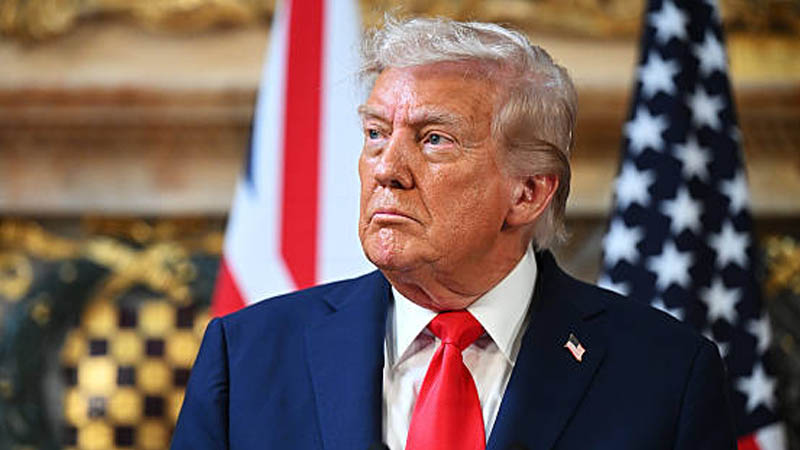
Eight months into Donald Trump’s second term, some small business owners who once supported him are beginning to question whether they made the right call.
Jessie and Carter Meadows, a couple from Georgia, told The Washington Post they feel burned by campaign promises that never came true, and worse, they say Trump’s economic policies have actually hurt their businesses.
Jessie runs a flower shop and said she now pays 17 percent more for a box of faux berries from China, a key item in her arrangements, because of Trump’s tariffs.
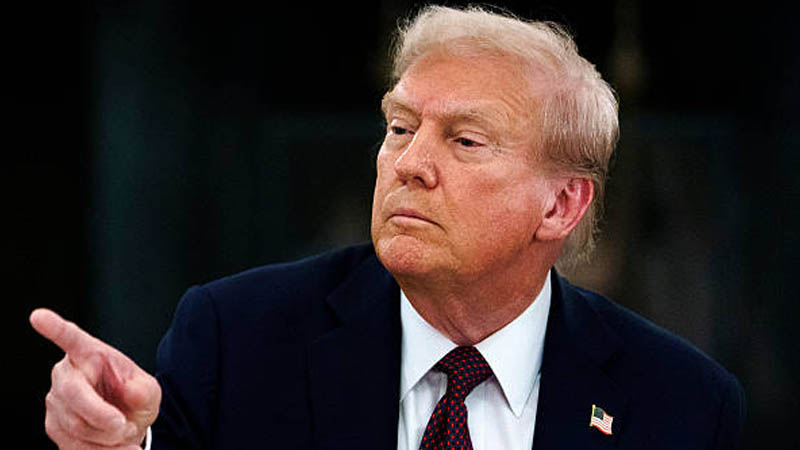
Carter, who owns a funeral home, said one of his suppliers has passed on steep cost hikes to him as well. “Is there anybody that can go up there and stay what they ran on?” Jessie asked her husband in frustration.
During the 2024 campaign, Trump pledged to “drain the swamp,” “put America first” in foreign policy, and “immediately bring prices down.” But many in his base feel the opposite has happened.
Tariffs are squeezing small business owners and lower-income families, while inflation remains stubborn. Polling shows that a quarter of conservative voters now disapprove of how Trump is handling the economy, a sign of potential trouble for Republicans heading into the 2026 midterms.
The dissatisfaction goes beyond just higher prices. The administration’s shifting stance on releasing files related to Jeffrey Epstein has created fresh doubts among some MAGA voters. Jessie said she plans to oppose her local Republican congressman in next year’s primary because of his position on the Epstein records.
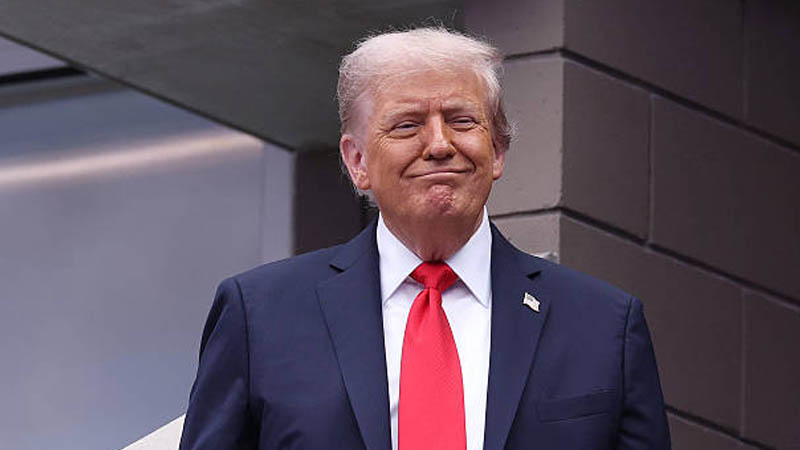
According to new numbers from Quinnipiac University, Trump’s disapproval rating among registered Republicans has hit 10 percent for the first time, continuing a steady rise since the summer. Nationwide, only 38 percent of voters say they approve of his performance, while 54 percent disapprove.
William F. Hall, a political science professor at Webster University, told Newsweek the numbers paint a bleak picture for Republicans. “It is my opinion, increasingly, in view of the extremely negative ratings experienced by a Republican led Administration, it does appear that, barring some highly unlikely unforeseen circumstances, the midterm elections will bring about a major shift in the makeup of the House of Representatives, with an overwhelming victory for Democratic House candidates,” he said.
Hall pointed to widespread pessimism about the economy, jobs, inflation, and general confidence in leadership. “This view reflects the negative ratings held by a Republican led Administration, virtually in every significant category,” he added.

Carter admitted he voted for Trump because he believed he would help businesses like his. Now, he says the tariffs “seemed unplanned and childish.” While he acknowledged that short-term pain might lead to long-term gain, he wasn’t sure the strategy made sense.
“I’m not an economist. Probably going to hurt before it gets better,” he said. Jessie agreed, adding, “But we also really don’t have a suggestion on how to fix that. We don’t understand enough about it.”
The White House insists voters should be patient. Trump spokesperson Taylor Rogers told The Post, “Just as it did in the first term, once President Trump’s economic agenda takes full effect, the unprecedented investments, historic tax cuts, massive deregulation, and energy dominance will fuel an economic boom.” Rogers also pointed to Trump’s fulfillment of his promise to secure the border as a sign that results are coming.