

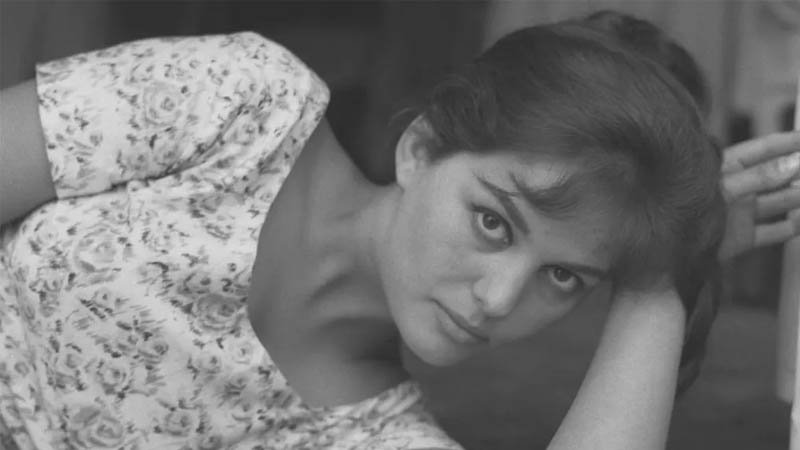
Claudia Cardinale, one of the most recognizable faces of post-war Italian cinema, has died at 87, according to AFP and other French media. Known for her striking beauty and powerful presence, Cardinale carved out a career that spanned over six decades, extending from Italy to Hollywood and the stage.
Born in Tunisia to Sicilian parents, Cardinale’s path to fame began in 1957 when she won a beauty contest in Tunis. The prize was a trip to the Venice Film Festival, where her life took a dramatic turn. Because she grew up speaking Sicilian at home and attending a French-speaking school, her early Italian films had to be dubbed.
Her start was far from easy. She later revealed that she secretly gave birth to a son, Patrick, in London in 1958 after what she described as an abusive relationship. For years, she presented him as her younger brother while her parents raised him.
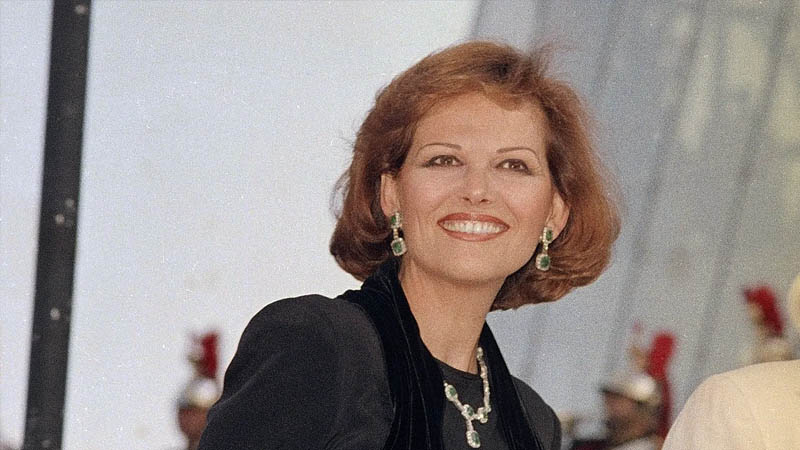
Her breakout year came in 1963, when she starred in two classics: Federico Fellini’s 8 1/2 and Luchino Visconti’s The Leopard alongside Burt Lancaster. Shooting both films at once wasn’t simple. Cardinale had to juggle not only demanding schedules but also different hair colors for each role.
In a 2013 interview with the Guardian, she described the contrast between Fellini and Visconti. “He [Fellini] couldn’t shoot without noise. With Visconti, the opposite, like doing theatre. We couldn’t say a word. Very serious,” she said.
Hollywood soon came calling. Cardinale played opposite David Niven and Peter Sellers in Blake Edwards’ The Pink Panther and earned international acclaim in Sergio Leone’s Once Upon a Time in the West in 1968. Her husky voice and magnetic energy made her a standout, but the 1970s brought setbacks.
After ending her marriage to producer Franco Cristaldi and beginning a lifelong relationship with director Pasquale Squitieri, Cristaldi used his influence to have her sidelined from Italian cinema. Even Visconti turned her down for his final film. “It was a very delicate moment. I discovered I had no money in my bank account,” she recalled.
Her comeback began when Franco Zeffirelli cast her in the 1977 TV epic Jesus of Nazareth. From there, she returned to steady work in European cinema, collaborating with directors such as Werner Herzog and Marco Bellocchio. Cardinale also became known as fiercely independent, once ignoring Vatican protocol by meeting Pope Paul VI in a miniskirt.
Based in France for much of her life, she counted presidents François Mitterrand and Jacques Chirac among her friends. Around the early 2000s, she found a new stage for her talent in live theatre, where she won praise for her performances. Remarkably, she continued acting well into her 80s, appearing in the Swiss TV series Bulle in 2020.
Cardinale received a lifetime achievement award at the Berlin Film Festival in 2002. Looking back, she summed up her extraordinary journey with gratitude.
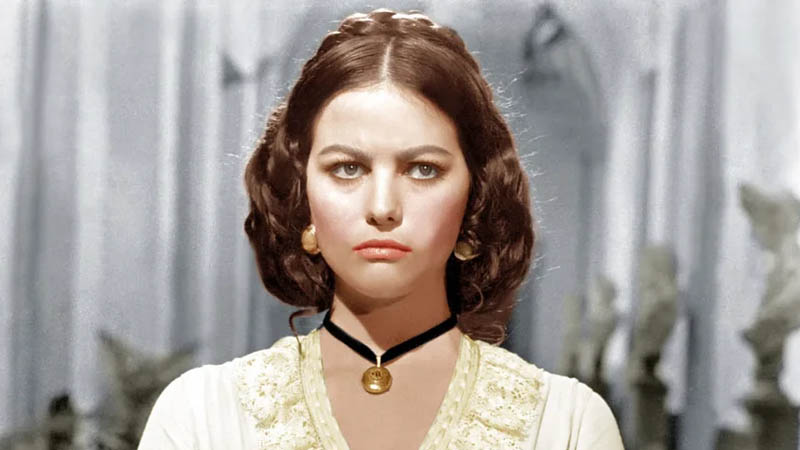
“I’ve lived more than 150 lives – prostitute, saint, romantic, every kind of woman – and that is marvellous to have this opportunity to change yourself,” she said. “I’ve worked with the most important directors. They gave me everything.”
Her legacy is that of a trailblazer who remained unapologetically herself, navigating triumphs and hardships with grace and fire.