

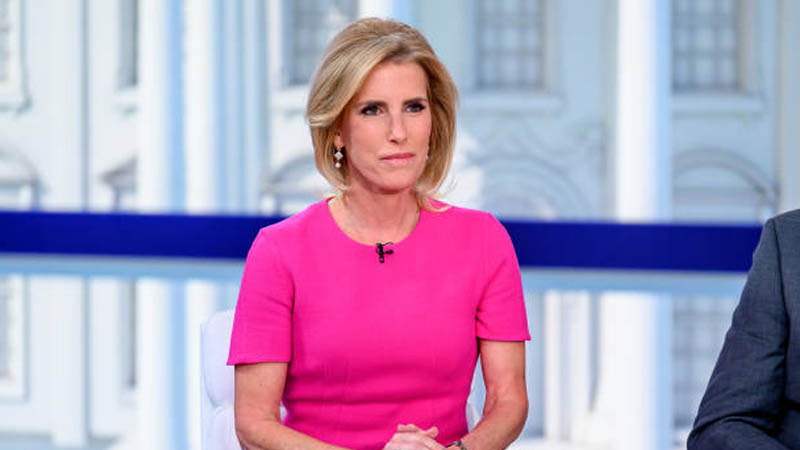
Fox News host Laura Ingraham, who has never been married herself, decided to weigh in on how Gen Z looks at marriage and kids during Monday’s episode of “The Ingraham Angle.” Before diving into the numbers, she gave a nod to “conservative men,” saying they “have their priorities straight.”
“Young conservative men seem to still have their priorities straight because a new poll from NBC News shows that men ages 18 to 29 who voted for Trump ranked having children as their No. 1 priority, the definition of success,” Ingraham said. “Being married came in No. 4.”
From there, she turned her attention to younger men who back Vice President Kamala Harris. “So what about Gen Z men who voted for Kamala?” she asked. “Well, they ranked having children at No. 9, getting married at No. 10.”

She didn’t stop there. “It’s even worse with female Gen Z Kamala voters,” she added. “Being married at 11, way down in the list for them. Having kids, well, that’s ranked way down at No. 12.”
Ingraham has a track record of ringing alarm bells about falling marriage and birth rates. Back in April, she cited Census data showing that women between 25 and 44 were more likely to report having no children than any other response. She warned that the “survival of America is actually at stake.”
“In the United States — where the last time I checked, God still matters to most people — why is this happening?” she asked during that earlier broadcast. Ingraham argued that a shrinking population could be “disastrous” for the country.
Her latest comments continue that theme, this time framing it around political divides and what priorities younger Americans claim to hold. By pointing out that conservative men are putting kids and marriage higher on their list of goals compared to Harris supporters, she painted a picture of a generation split by ideology not only in politics but in personal life choices.
Whether her audience sees this as a moral warning or just more political finger-pointing, Ingraham clearly wants viewers to believe declining interest in marriage and children among younger Americans is more than just a lifestyle shift — it’s a threat to the country’s future.