

COVID-19 is creeping back into the spotlight this month with viral activity climbing across the country, and some states are being hit harder than others. According to the latest data from the Centers for Disease Control and Prevention, wastewater monitoring shows high traces of the virus nationwide. In the first week of September, 10.8% of Americans tested positive for COVID-19.
That was a slight drop from 11.2% the week before, but the number of deaths tied to the virus actually went up. Roughly 0.8% of all deaths in the U.S. during that week were attributed to COVID-19 compared to 0.6% the previous week, reported the Mirror.
The CDC says the newest strain, known as Stratus, has become the dominant variant. During four weeks in August, Stratus accounted for 78% of all cases. It’s showing up most heavily in Western and Southern states. Areas reporting elevated levels of COVID in wastewater include Alaska, California, Florida, Hawaii, Idaho, Indiana, Kentucky, Louisiana, Maryland, Nebraska, Nevada, North Carolina, South Carolina, South Dakota, Tennessee, Texas, Utah, Connecticut, and Washington, D.C.
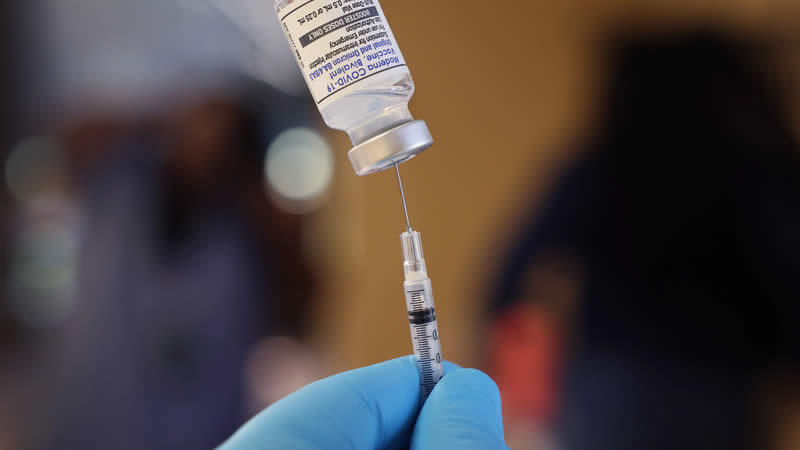
(Photo: NBC Bay Area)
The symptoms linked to Stratus will sound familiar by now: cough, shortness of breath, sore throat, congestion, fever or chills, fatigue, body aches, headache, nausea or vomiting, and in some cases, the loss of taste or smell.
The rise in cases comes at the same time vaccine access is proving difficult for many. Pharmacies like CVS and Walgreens say state laws are tying their hands in certain regions. CVS said that even with a prescription, it cannot administer vaccines in Massachusetts, Nevada, and New Mexico because of local restrictions.
Meanwhile, CVS confirmed it is offering COVID-19 shots in a wide list of other states, including California, Texas, Florida, Illinois, Ohio, Washington, and more than two dozen others across the country.
The strain’s spread and the patchy access to vaccines have left many Americans frustrated and uneasy. Public health experts are keeping a close watch on the numbers, especially with the virus now showing up more clearly in wastewater testing. The data suggests that while not everyone may be heading back for testing, the virus is still circulating widely and putting vulnerable groups at higher risk.
As the fall season begins, officials are urging people to stay alert for symptoms and take precautions, especially if they live in states seeing spikes. With vaccines harder to get in certain regions, health leaders warn that this combination could make outbreaks tougher to control in the coming months.