

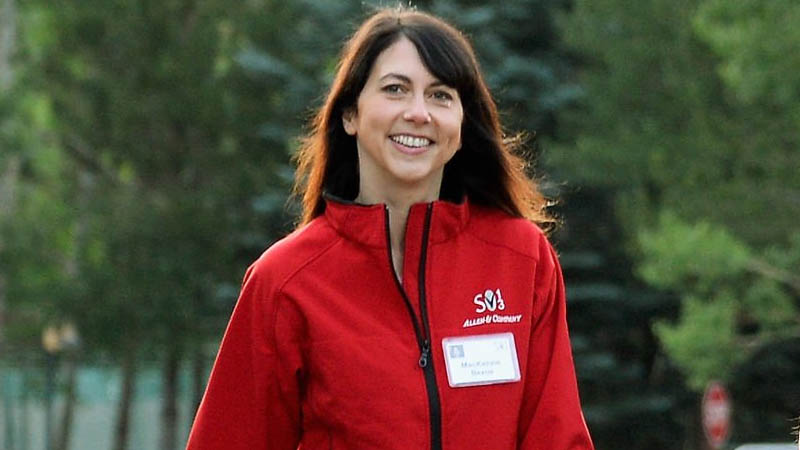
Billionaire philanthropist MacKenzie Scott is once again putting her money where her heart is. This week, she gave a $42 million grant to 10,000 Degrees, a San Rafael-based nonprofit that helps low-income students pay for college and pursue their dreams through scholarships and support programs.
The group’s mission is simple but powerful. It’s all about “supporting students to, through, and beyond college.” Over the years, 10,000 Degrees has worked with more than 80,000 students and awarded over $113 million in scholarships. Their goal is to break the cycle of generational poverty and open doors to a brighter future for students and their communities.
“We are deeply grateful for Ms. Scott’s confidence and investment in our mission and proven college success model,” said Kim Mazzuca, President and CEO of 10,000 Degrees. “This extraordinary gift is not only a bold affirmation of the power of education, but it is a vital investment in our communities at a time when it’s needed most.”

Scott, who was once married to Amazon founder Jeff Bezos, has been steadily giving away her fortune—billions so far—to charities and nonprofits around the world. Her donations often come without restrictions, giving organizations the freedom to expand and innovate.
According to a media release, this new grant will help 10,000 Degrees reach even more students. The nonprofit plans to ramp up college and financial aid advising, increase scholarships, and expand mentorship programs that pair recent graduates with current students to help them navigate the college journey successfully.
“Our mission has always been to ensure that every student, no matter their background, has a real chance to achieve their potential and to live a healthy, happy and prosperous life,” said Mazzuca.
Guy Lampard, chair of the board of directors, called the gift a turning point. “Ms. Scott’s gift will have a profound and lasting impact – significantly increasing support for our students from their first step toward college through graduation and into meaningful careers,” he said. “With this support, our students can build generational stability for themselves, their families and their communities, forever.”