

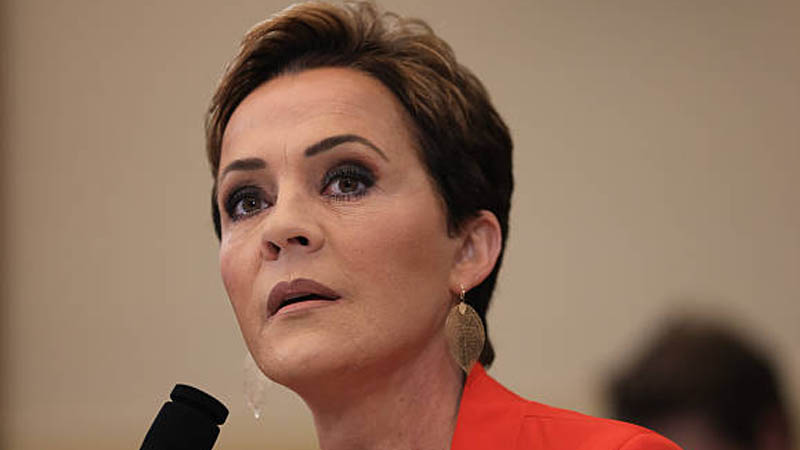
Kari Lake, who serves as a senior advisor for the Trump administration at the U.S. Agency for Global Media, used her speech at conservative activist Charlie Kirk’s memorial service to take aim at college campuses. Speaking at the Kennedy Center on Sunday, Lake claimed that universities had turned into “indoctrination camps” that radicalized the 22-year-old who carried out the shooting.
The service drew several members of President Donald Trump’s cabinet, including Health Secretary Robert F. Kennedy Jr. and Director of National Intelligence Tulsi Gabbard.
“How does a 22-year-old become so filled with hate?” Lake asked during her remarks. “Five years earlier, I was told he was a Trump supporter. Then we send our kids off to college and they brainwashed him. I am making a plea to mothers out there, please don’t send your children into these indoctrination camps”, reported The Hill.
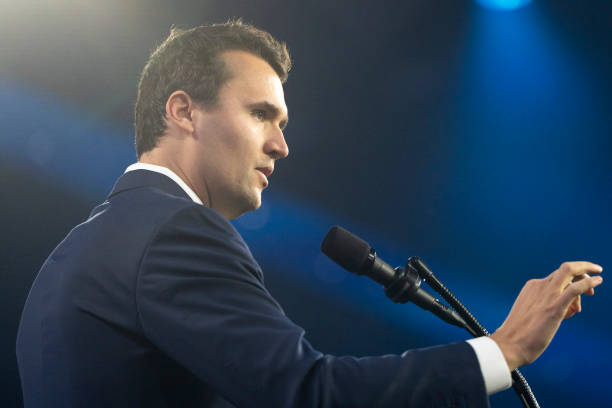
She went on to remind the audience that the shooter was once just a child. “At one point, that 22-year-old was a baby in his mother’s arms. And by all accounts, they did a good job raising him until he was sent off to be brainwashed.”
Lake painted a grim picture of what she described as the dangers of higher education. “We are living through the most horrific brainwashing campaign in the history of mankind,” she said.
Her speech came as the political fight over Kirk’s assassination has grown more heated. Rightwing voices have blamed Democrats, while Democrats have strongly denied those accusations.
Despite her criticism, Lake also called for unity in condemning political violence. “I’m not going to say our side is perfect, but damn it, this is coming from the other side!” she declared.
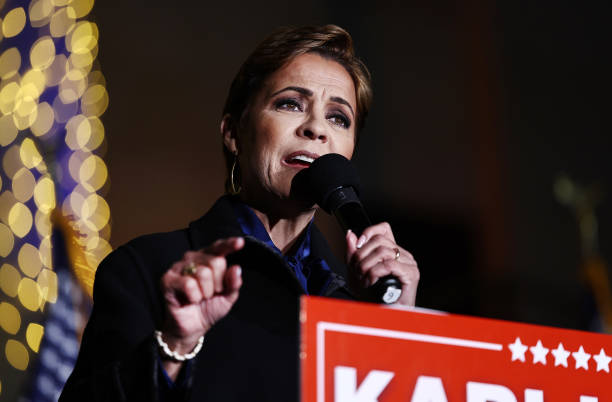
Lake’s fiery words struck a chord with many in the audience who share her distrust of universities and her anger over the killing. At the same time, her plea to mothers highlighted how much she sees the cultural and political battle as being waged in classrooms as well as in the streets.
The memorial for Kirk became more than just a service of remembrance. It was also a platform for Lake and others to channel the grief into a broader political message about violence, division, and the institutions they believe are fueling the problem.