

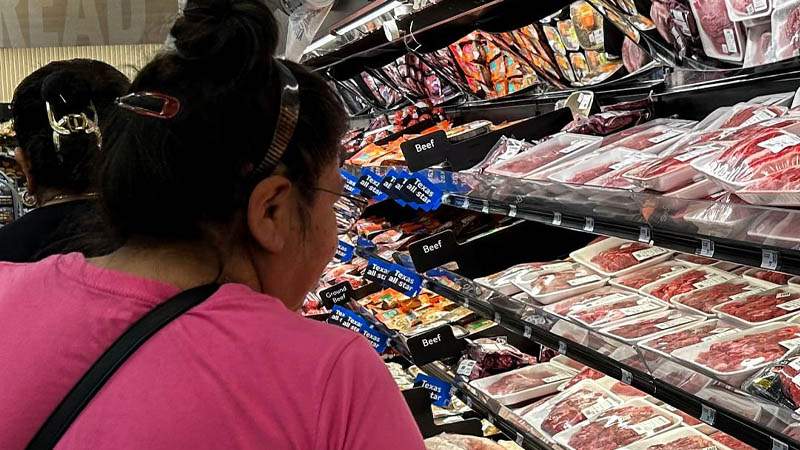
Prices in the beef and veal category are up 14.7% while overall food is up 3.1% from September 2024 to September 2025, according to the latest consumer price index data available before the government shutdown in October. The frustration shoppers feel is real, but ranchers say they are feeling the squeeze too. The American Farm Bureau Federation reports that input costs for ranchers have jumped more than 50% in the past five years.
“It’s hard as a beef producer to necessarily say that beef prices are too high. I mean, if people are paying $6 for a latte at Starbucks, but then they’re paying $6 for a pound of beef, they’re able to feed a family for a family of three with that pound of beef,” said Taylon Lienemann, co-owner of Linetics Ranch in Princeton, Nebraksa.
One of the biggest reasons behind rising prices is the shrinking national cattle supply. The start of 2025 saw the smallest herd since 1951. The cattle cycle naturally expands and contracts every eight to 12 years as producers decide whether to hold back heifers for breeding or sell them into the supply chain. When prices rise, the choice becomes more complicated, according to CNBC.
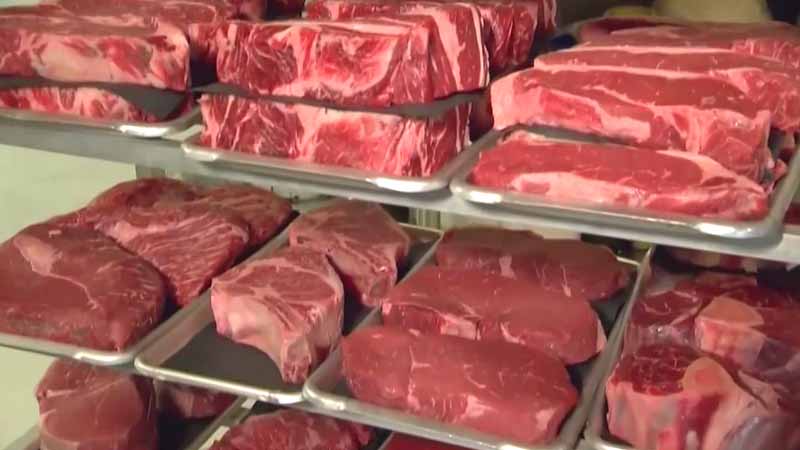
“It’s the big question right now for our producers. You know, they have a 50/50 decision to make. Do we sell these cattle off into the supply system or do we hold them back? And I think when the money is on the table, there’s an incentive to go ahead and sell those to the food supply system, especially when demand is so high from the consumer,” said Adam Wegner, director of marketing for the Nebraska Beef Council.
Severe drought makes that choice even harder. “When you’re in a drought, you’re producing minimal feed and or hay or alfalfa,” Lienemann said. During drought periods, ranchers often rely on grain, and while prices have eased since 2022, the added cost still hits their bottom line.
“What we’re experiencing now is a sort of a mashup of drought, high demand and low heifer retention, sort of making up this herd size problem that we have today in America,” said Omaha Steaks CEO Nate Rempe. He said the company hasn’t raised prices in over three years but added, “The cost of beef has increased so much that it’s really starting to hit our bottom line.”
Even with smaller herds, beef production has grown because cattle are larger than ever, supplemented by rising beef imports over the past decade. Now shifting tariffs in Brazil and parasitic infections in Mexico are adding more pressure. But experts say rebuilding the domestic herd is key.
“In the short run, if we actually begin retaining heifers to put into the breeding herd, that actually is going to reduce total domestic beef production,” said Andrew Griffith of the University of Tennessee. Over time, though, he said increased supply could help soften prices.