

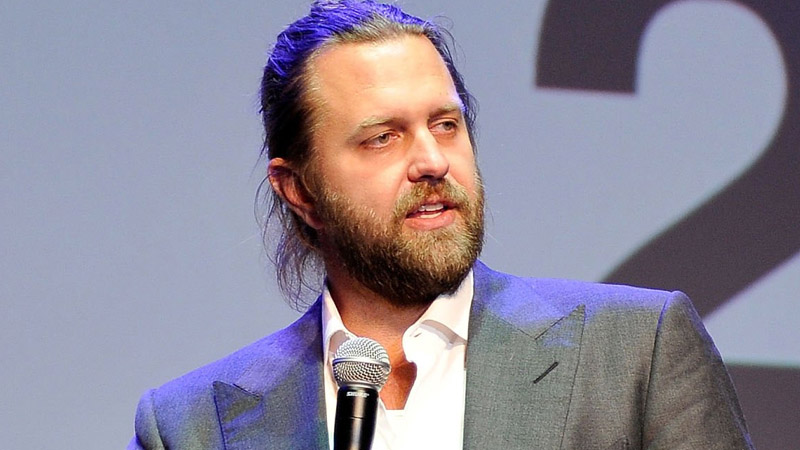
A Hollywood director best known for the film 47 Ronin was convicted Thursday after federal prosecutors proved he scammed Netflix out of millions of dollars for a television series that never made it to the screen. Instead of finishing the show, prosecutors said, Carl Erik Rinsch spent the money on luxury cars, high-end fashion, and nearly $1 million worth of mattresses and bedding.
Rinsch was found guilty of wire fraud, money laundering, and additional charges, according to court records and a spokesperson for federal prosecutors in New York. The conviction marks the end of a closely watched case involving one of the world’s largest streaming platforms and a high-profile creative figure.
In a statement following the verdict, Rinsch’s attorney, Benjamin Zeman, sharply criticized the outcome. He said he believed the verdict was wrong and warned that it “could set a dangerous precedent for artists who become embroiled in contractual and creative disputes with their benefactors, in this case one of the largest media companies in the world, finding themselves indicted by the federal government for fraud.”
Prosecutors outlined a detailed timeline showing how Netflix initially paid Rinsch roughly $44 million to develop a science fiction series titled White Horse. When the project stalled, Rinsch allegedly told Netflix he needed additional funds to complete production. The company then sent him another $11 million, according to The Wrap.

That money, prosecutors argued, was never used for the show. Instead, Rinsch transferred the funds into a personal account and began making speculative investments. According to prosecutors, he lost roughly half of the $11 million within just a few months through risky trading. He then moved the remaining funds into cryptocurrency, where he managed to recover some money before transferring it into his own bank account.
What followed was what prosecutors described as an extravagant spending spree. Rinsch purchased five Rolls-Royces and one Ferrari. He also spent $652,000 on watches and clothing. Among the most eye-catching details presented at trial was his spending on household items, including two mattresses that cost approximately $638,000 and an additional $295,000 on luxury bedding and linens.
Prosecutors also said Rinsch used part of the money to pay off about $1.8 million in personal credit card debt. Despite receiving tens of millions of dollars, Rinsch never completed White Horse. Netflix ultimately scrapped the project. The company declined to comment following the conviction. U.S. Attorney Jay Clayton emphasized the broader message behind the case in a statement after the verdict. Rinsch, he said, “took $11 million meant for a TV show and gambled it on speculative stock options and crypto transactions.”
“Today’s conviction shows that when someone steals from investors, we will follow the money and hold them accountable,” Clayton added. Rinsch is scheduled to be sentenced in April. The case stands as a cautionary tale about accountability in an industry where large budgets and creative freedom often collide.
READ NEXT
- Deere Warns Trump Tariffs Are Hurting Farmers as Equipment Sales Slump
- 47 Ronin” Director Convicted in $11 Million Netflix Fraud Case
- Simple Ways to Speed Up an Old Laptop Performance Without Replacing It
- ‘Affordability Is a Hoax’ Trump Sparks Outrage with Dismissal of Rising Prices
- Miss Switzerland’s Husband, Labeled a ‘Killer’ in Reports, Allegedly Cut Out Her Womb and Puréed Body Parts While Watching Videos